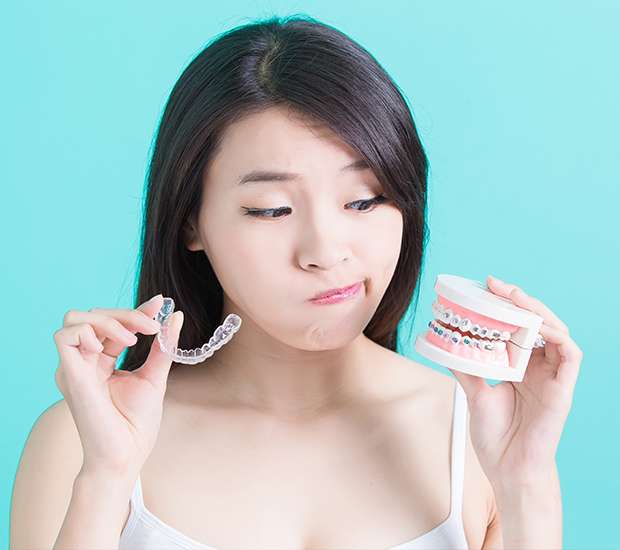
Which is Better Invisalign or Braces South Pasadena, CA
When deciding whether Invisalign® or braces are better, patients should compare their effectiveness, reversion after treatment, and dietary restrictions. While both orthodontic treatments straighten teeth, Invisalign offers unique benefits due to their discrete appearance and removability. Patients should carefully consider the advantages and disadvantages of both appliances before making a decision.
Orthodontic treatment is available at Huntington Dental Excellence in South Pasadena and the surrounding area. Our team can help determine whether Invisalign or braces is the right choice for you. Call us today at (626) 657-6335 to learn more about our services or schedule an appointment.
Understanding the Differences Between Metal Braces and Invisalign
Both metal braces and Invisalign are proven options for correcting misaligned teeth; however, they differ in design, appearance, and the overall treatment experience. Choosing the right approach depends on your lifestyle preferences and orthodontic needs.
Metal Braces:
Metal braces consist of small metal brackets cemented to each tooth, connected by specialized wires. These brackets can be customized with different colors, allowing for a personalized look. Metal braces are a fixed appliance that remains in place throughout the treatment period, requiring regular visits for adjustments. The typical treatment duration is around two years, although this can vary based on individual needs. Metal braces are suitable for patients of all ages and are a reliable choice for comprehensive orthodontic Correction.
Invisalign:
Invisalign involves a series of custom-made, clear plastic aligners that gradually shift your teeth into the desired position. These trays are created using advanced 3-D imaging to ensure a precise fit and are made from BPA-free, smooth plastic for comfort. Invisalign aligners are removable, allowing you to maintain good oral hygiene without interference.
Traditionally, patients are advised not to eat or drink while wearing aligners. However, at Huntington Dental Excellence, we've developed a protocol where patients eat and drink with aligners in place. Aligners are to be worn for 24 hours a day, only removing them to maintain proper oral hygiene. This new advanced protocol allows a more predictable and favorable outcome, along with a shorter total treatment time. Most of our patients finish in about 6 months, however treatment time depends on the issue that needs to be correct. Regular check-ups are scheduled every 6 to 8 weeks to monitor progress and replace the aligners as needed.
Both treatment options aim to help you achieve a healthier, more confident smile. Your dental professional can assist in determining the most suitable approach based on your individual needs and lifestyle.
“While metal braces and Invisalign provide the same end result, it is important to understand the differences and similarities between the two.”
Effectiveness
Both Invisalign and traditional braces remain effective at straightening teeth but differ in their approach. Metal braces rely on brackets, wires, and elastics to shift teeth. Invisalign uses removable plastic aligners throughout the treatment. As the teeth shift, new aligners are worn to continue treatment.
Once teeth are aligned, most patients must wear a retainer every night to maintain straight teeth. If patients do not wear the retainer, their teeth may shift back to previous positions.
“The choice between braces and Invisalign depends largely on preference and the issue that needs correcting.”
Invisalign for Specific Conditions
Invisalign can be helpful for those with mild to moderate dental issues. Treatable cases through Invisalign treatment include overbites, underbites, cross bites, gapped teeth, open bites, crowded teeth, and mixture of baby and permanent teeth. However, each case differs under each of these treatments, and some cases may be too complex to treat with Invisalign.
Complex dental issues requiring traditional metal braces include, but are not limited to, early, late, or irregular loss of baby teeth; delayed eruption of adult teeth; teeth that do not meet at all; missing or extra teeth; incorrect jaw positioning; jaw-clicking; jaw-joint disorder; and respiratory or eating issues. During the consultation appointment, the dentist is able to fully understand the patient's case, in combination with other factors, and make a professional recommendation for the appropriate treatment type. In some cases, the patient may qualify for either treatment and be able to choose themselves.
“Invisalign can be helpful for those with mild to moderate dental issues.”
Check out what others are saying about our dental services on Yelp: Which is Better Invisalign or Braces in South Pasadena, CA
Preventing Teeth From Shifting
After ending orthodontic treatment, most patients must wear a retainer at night to keep their teeth from shifting. If the retainer is not worn, teeth will likely shift and require further treatment to straighten them again. Some patients will opt to have a fixed orthodontic retainer, in the form of a wire that is bonded to the inside of the teeth.
However, Invisalign does require patient adherence as they are responsible for keeping them safe, clean, and in proper condition. Patients who do not adhere to the guidelines given to them may also experience shifting and undesired results by the end of treatment. If the patient misplaces or damages their Invisalign trays, they can be replaced but may delay treatment
“With Invisalign, patients do not have to wear a retainer after treatment as teeth generally stay straight after the course of treatment.”
Questions Answered on This Page
Q. What are the differences between traditional braces and Invisalign?
Q. Are braces or Invisalign aligners more effective?
Q. What conditions can Invisalign treat?
Q. Which is more likely to revert after finishing treatment?
Q. Are there any necessary dietary restrictions while wearing Invisalign?
People Also Ask
Q. Should I choose Invisalign Teen for my child?
Q. How do clear aligners save time straightening?
Q. What are the requirements for candidacy?
Q. How can someone find the right Invisalign Dentist?
Q. What are the aesthetic differences between braces and Invisalign?
Dietary Restrictions
Invisalign aligners straighten teeth without the dietary restrictions associated with braces. Since these aligners are removable, patients do not have to make any major dietary restrictions. While patients with braces must avoid eating crunchy, chewy, sticky, or hard foods, Invisalign wearers are free to have the foods and beverages they want as long as they remove their aligners beforehand.
However, eating or drinking with Invisalign aligners can cause damage and lengthen the orthodontic treatment time. Dark beverages such as coffee, tea, and wine can also stain aligners, negating their virtually invisible appearance. Eating with aligners or drinking hot beverages can also cause the plastic trays to warp and become misshapen.
“Since these aligners are removable, patients do not have to make any major dietary restrictions.”
Frequently Asked Questions About Braces Versus Invisalign Teen
Q. How long will I have to wear Invisalign?
A. The length of treatment will vary for each patient and their individual needs. However, the average length of Invisalign treatment is 12 to 18 months. While simple cases will take less time, more complex orthodontic issues will require more extensive treatment.
Q. How much does Invisalign cost?
A. The cost of Invisalign will vary depending on factors, including the patient's treatment needs and insurance plan. Every insurance plan is different. People interested in Invisalign should contact their insurance provider for coverage information before seeking treatment.
Q. Will Invisalign interfere with my lifestyle?
A. Unlike other orthodontic options, Invisalign fits easily into people's lifestyles. The clear, plastic aligners are nearly invisible, so patients do not feel self-conscious during treatment. Patients can also remove their aligners when eating, brushing, flossing, or on special occasions as long as they wear them for 20 to 22 hours a day.
Q. Does Invisalign hurt?
A. Invisalign does not usually hurt. However, it can cause some minor pain or discomfort as the trays apply pressure to teeth to move them into alignment. These feelings are normal and will typically disappear within a few days after switching out a set of clear aligners.
Q. How can I clean my Invisalign aligners?
A. Patients can use the Invisalign Cleaning System or a soft-bristled toothbrush to clean their aligners. We also recommend soaking aligners to remove any bacteria present. Patients should also brush after every meal or snack to prevent food residue from getting trapped in their aligners and staining them.

Scan here to view this page, Which is Better Invisalign or Braces, on mobile
Invisalign® Terminology
Learn More About Braces Versus Invisalign Teen
If you would like to discuss whether to use traditional braces or Invisalign Teen for your child, call Huntington Dental Excellence in South Pasadena at 626-657-6335 for more information.
Helpful Related Links
- American Dental Association (ADA). Glossary of Dental Clinical Terms. 2025
- American Academy of Cosmetic Dentistry® (AACD). Home Page. 2025
- Invisalign®. How Invisalign Works. 2025
- Invisalign®. Take the Smile Assessment. 2025
- WebMD. WebMD’s Oral Care Guide. 2025
About our business, license, and website security
- Huntington Dental Excellence was established in 1987.
- We accept the following payment methods: American Express, Cash, Check, Discover, MasterCard, and Visa
- We serve patients from the following counties: Los Angeles County
- We serve patients from the following cities: South Pasadena, Pasadena, Alhambra, Monterey Park, Highland Park, San Gabriel, San Marino, Rosemead, Altadena, Temple City and Los Angeles
- CA (License #35999). View License Information and Specifics
- National Provider Identifier Database (1194877746). View NPI Registry Information
- Norton Safe Web. View Details
- Trend Micro Site Safety Center. View Details

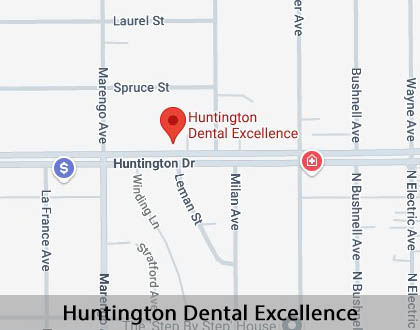
Scan here to open directions to Huntington Dental Excellence on mobile
Back to top of Which is Better Invisalign or Braces
Related Posts
5 Reasons You May Need A Full Mouth Reconstruction
A full mouth reconstruction offers a path toward better oral health when multiple issues affect your teeth, gums, and jaw. Instead of solving one problem at a time, this method considers how the entire mouth works together, allowing you to transform a smile that feels worn down or unstable into a stronger, more comfortable one.…
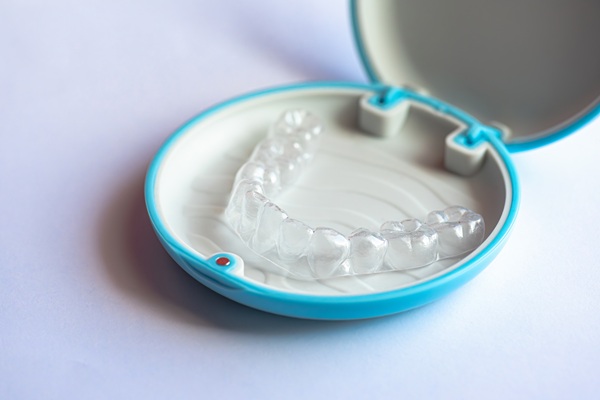
The Importance Of Patient Compliance During Invisalign Treatment
Successful Invisalign treatment relies on daily habits, not just office visits. When a general dentist uses Invisalign to move teeth with clear aligners, patients need to follow instructions closely to keep the process on track. When patients wear aligners as directed and care for them properly, each stage of treatment can build on the previous…
Improve Speech Pattern Changes With Denture Adjustments
When discussing denture adjustments, the topic can extend beyond those performed by a dentist. Adjustments to your lifestyle can also help ease the transition as you get used to your new dentures. Whether this is your first set of dentures or you just got a replacement pair, you may notice discomfort in the mouth and…
Treatment Of An Avulsed Tooth In Same Day Dentistry
A dislodged tooth, which is also called an avulsed tooth, requires same day dentistry treatment. The condition is usually a result of the tooth being forcefully pushed out or into its socket due to a traumatic incident like a fall or an accident. To prevent the need for tooth loss or an invasive procedure like…
Explore additional topics covered on our website:
Call Us Today

Scan here to call Huntington Dental Excellence on mobile