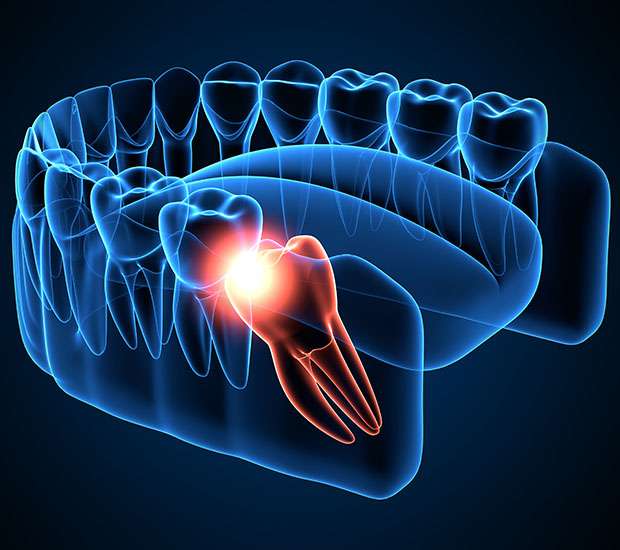
Wisdom Teeth Extraction South Pasadena, CA
Wisdom teeth extraction can help relieve pain caused by overcrowding or improper growth of the third molars—commonly known as wisdom teeth. There are several reasons why extraction may be necessary, including impacted teeth, misalignment, or risk of infection.
At Huntington Dental Excellence, we partner with South Pasadena Oral Maxillofacial Surgery (SPOMS) to provide expert care for wisdom teeth removal. This trusted referral allows us to take a comprehensive approach to your oral health while ensuring you receive specialized surgical care when needed.
Most patients who require wisdom teeth extraction are in their late teens to early twenties. If you're experiencing discomfort or have been advised to consider removal, we’re here to help.
Call us today at (626) 657-6335 to learn more and schedule an appointment.
Reasons for Wisdom Teeth Extractions
Wisdom teeth are the last set of molars and permanent teeth that emerge in the back of the mouth. They generally erupt between the ages of 17 and 21, granting them the name "wisdom teeth." However, in some cases, they never come out at all. Since they are the last teeth on each arch and have no security between them, wisdom teeth can erupt at any angle.
Wisdom teeth are often removed for preventive purposes, as they can cause pain and oral health problems later in life, even if there is no present pain. Extraction becomes necessary when the wisdom tooth or teeth are damaging the other teeth or the jaw, causing sinus issues, inflamed gums and cavities, or are impacting teeth alignment. These more serious problems can result in various oral conditions as the patient gets older.
“Extraction becomes necessary when the wisdom tooth or teeth are causing damage to other teeth or the jaw, causing sinus issues, inflamed gums and cavities, or are impacting teeth alignment.”
Why Do We Have Wisdom Teeth—and Why Are They Removed?
Wisdom teeth are the final set of molars and the last permanent teeth to emerge, typically appearing between the ages of 17 and 21. Because they arrive in early adulthood, they’ve earned the name “wisdom teeth.” However, not everyone develops them, and in many cases, they remain impacted beneath the gums.
Historically, our ancestors had larger jaws and consumed tougher foods, which made these extra molars useful. They also helped compensate for tooth loss earlier in life. But with modern diets, improved oral hygiene, and smaller jaw sizes, wisdom teeth often do not have the space to erupt properly. This can lead to several issues, including:
- Damage to neighboring teeth
- Sinus complications
- Gum inflammation
- Cavities
- Misalignment of surrounding teeth
Even if no discomfort is present now, wisdom teeth are frequently removed as a preventive measure to avoid complications in the future.
“Even if no discomfort is present now, wisdom teeth are frequently removed as a preventive measure to avoid complications in the future.”
Potential Risks
Although wisdom teeth extraction is a common and safe procedure, there are a variety of Potential risks are involved with extracting any tooth. We conduct a thorough examination and discussion of each patient's medical and dental history to determine whether they would be a good candidate for extraction.
Some of the risks associated with wisdom tooth extraction include:
- Dry socket, or exposure of bone when the post-surgical blood clot is lost from the site of the surgical wound
- Infection in the socket from bacteria or trapped food particles
- Damage to nearby teeth, nerves, jawbone, or sinuses
While there is always a risk of complications with any procedure, we follow strict standard operating protocols and maintain a safe, sterile surgical environment to minimize those risks and ensure a smooth, uneventful experience for our patients.
“Although wisdom teeth extraction is common and safe, there are a variety of potential risks involved with extracting any tooth.”
Preparing for Wisdom Teeth Extraction
The first step in the wisdom teeth extraction process is a thorough initial consultation. During this appointment, patients are encouraged to be open and transparent about their full medical history. This includes any existing health conditions, current medications or supplements, and lifestyle factors that may impact the procedure or healing process. The consultation also provides an excellent opportunity for patients to address any concerns or anxieties. Asking questions and understanding the steps involved can help ease nerves and ensure you're fully informed before moving forward with surgery.
We don’t do wisdom tooth extractions at this office.
“The first step to wisdom teeth extraction begins with an initial consultation.”
Check out what others are saying about our dental services on Yelp: Wisdom Teeth Extraction in South Pasadena, CA
What to Expect During Wisdom Teeth Extraction
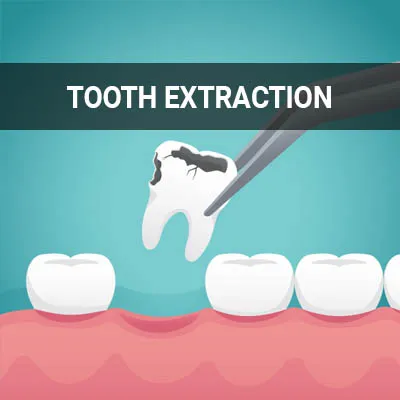
Generally, wisdom teeth extraction begins with the doctor injecting the patient with a local anesthetic to numb them to the pain of the procedure. The doctor will then cut into the gum tissue to expose the tooth and bone, making sure to remove any bone blocking access to the tooth root. Depending on how severely impacted the tooth is, the tooth may be divided into sections to be removed little by little.
After extracting the tooth, the doctor will clean the extraction site of any debris. Afterward, the wound may or may not need stitches, and the doctor will pack gauze over the extraction site to control bleeding and to aid in the formation of a blood clot.
“After extracting the tooth, the doctor will clean the extraction site of any debris.”
Questions Answered on This Page
Q. How do I begin preparing for wisdom teeth extraction?
Q. What are the reasons for wisdom teeth extraction?
Q. What are the potential risks of wisdom teeth extraction?
People Also Ask
Q. What happens during a tooth extraction?
Aftercare for Wisdom Teeth Extraction
After your wisdom teeth extraction, proper care is essential for a smooth recovery. Most Patients should plan to rest for the remainder of the day following the procedure. While light activities may be resumed the next day, it's important to avoid any strenuous activity for at least one week, as overexertion can dislodge the protective blood clot and delay healing.
Our team will provide you with a personalized recovery plan, tailored to your specific needs. However, some general aftercare guidelines include:
- 🩸 Bite firmly on the gauze provided to help stop bleeding. Change it as directed.
- ❄ Apply ice: 30 minutes on, 30 minutes off to reduce swelling.
- 🚫 Avoid strenuous activity for at least 7 days.
- 🚬 No smoking – it slows healing, increases infection risk, and may cause dry socket.
- 🥤 Do not use a straw – negative pressure in the mouth may dislodge the blood clot and cause dry socket.
Following these instructions will help prevent complications. Issues after wisdom teeth removal are rare when aftercare is followed carefully. If you experience severe pain, persistent bleeding, or signs of infection, contact us immediately. Your comfort and recovery are our top priority.
“Though regular activities can be resumed as soon as the day after, patients should refrain from any strenuous activity for at least a week following their procedure.”
Frequently Asked Questions
Q. What is the average age of patients who remove their wisdom teeth?
A. Wisdom teeth typically begin to emerge between the ages of 16 and 21, though in some cases, they may erupt later in life. At Huntington Dental Excellence, we recommend evaluating all patients starting at age 16 to closely monitor tooth development and detect the early signs of wisdom teeth eruption. Removing wisdom teeth at an earlier age often results in fewer complications and a faster, smoother recovery. Younger patients tend to heal more quickly, and early intervention can help prevent future issues such as impaction, crowding, or infection.
Q. How do I know if my extraction site is healing correctly?
A. Recovery after a wisdom teeth extraction typically takes three to five days, during which the socket begins to close. Complete healing of the site can take several weeks to a couple of months, depending on the individual. As long as the area shows no signs of swelling, redness, or discomfort, it is likely healing as expected. At Huntington Dental Excellence, we schedule follow-up appointments after extractions to ensure proper healing and to address any concerns promptly. Monitoring recovery helps prevent complications and supports your long-term oral health.
Q. How can I detect dry socket if I do not have pain?
A. In most cases, a dry socket occurs when the protective blood clot either fails to form or becomes dislodged too early, leaving the underlying bone exposed. This condition can lead to intense pain, a foul odor, and sometimes visible exposed bone at the extraction site. Dry sockets are one of the complications following wisdom teeth removal, but they are treatable. At your scheduled follow-up appointment, we will carefully examine the area to ensure proper healing and address any concerns, including signs of dry socket or delayed recovery. Prompt treatment helps reduce discomfort and supports a healthy healing Process.
Q. Can I drive myself back home after wisdom teeth extraction?
A. Patients undergoing a simple extraction with local anesthesia can drive back home as they will only feel numb in the mouth. However, surgical extractions with general or IV anesthesia will need to be driven back after the procedure as they will not be fully alert. We will discuss this during the consultation appointment prior to the procedure.
Q. Can I remove all four wisdom teeth in the same visit?
A. For patients requiring all four wisdom teeth removed, we typically recommend having them extracted in a single visit. This approach allows for one recovery period, minimizing overall downtime and simplifying the healing process. However, some patients may prefer to have the procedure done in two stages—removing the upper and lower teeth on one side first, followed by the other side at a later appointment. While this can make recovery more manageable for some, it also extends the total healing timeline. Ultimately, the decision is entirely up to the patient, and our team will work with you to determine the approach that best suits your comfort and needs.
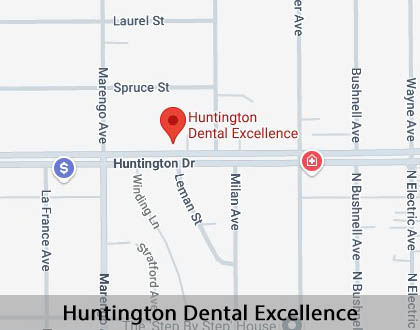

Scan here to view this page, Wisdom Teeth Extraction, on mobile


Dental Terminology
Helpful Related Links
- American Dental Association (ADA). Glossary of Dental Clinical Terms. 2025
- American Academy of Cosmetic Dentistry® (AACD). Home Page. 2025
- WebMD. WebMD’s Oral Care Guide. 2025
About our business, license, and website security
- Huntington Dental Excellence was established in 1987.
- We accept the following payment methods: American Express, Cash, Check, Discover, MasterCard, and Visa
- We serve patients from the following counties: Los Angeles County
- We serve patients from the following cities: South Pasadena, Pasadena, Alhambra, Monterey Park, Highland Park, San Gabriel, San Marino, Rosemead, Altadena, Temple City and Los Angeles
- CA (License #35999). View License Information and Specifics
- National Provider Identifier Database (1194877746). View NPI Registry Information
- Norton Safe Web. View Details
- Trend Micro Site Safety Center. View Details

Scan here to open directions to Huntington Dental Excellence on mobile
Back to top of Wisdom Teeth Extraction
Related Posts
5 Reasons You May Need A Full Mouth Reconstruction
A full mouth reconstruction offers a path toward better oral health when multiple issues affect your teeth, gums, and jaw. Instead of solving one problem at a time, this method considers how the entire mouth works together, allowing you to transform a smile that feels worn down or unstable into a stronger, more comfortable one.…
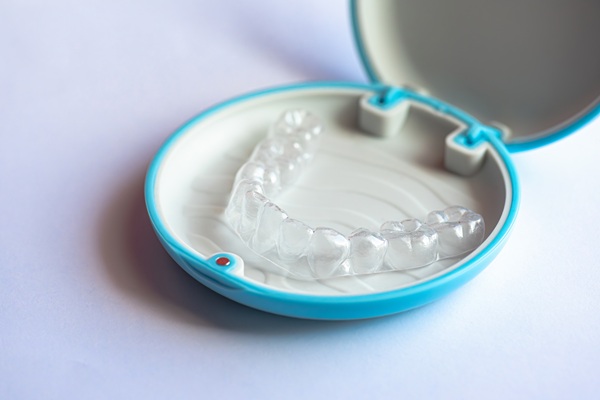
The Importance Of Patient Compliance During Invisalign Treatment
Successful Invisalign treatment relies on daily habits, not just office visits. When a general dentist uses Invisalign to move teeth with clear aligners, patients need to follow instructions closely to keep the process on track. When patients wear aligners as directed and care for them properly, each stage of treatment can build on the previous…
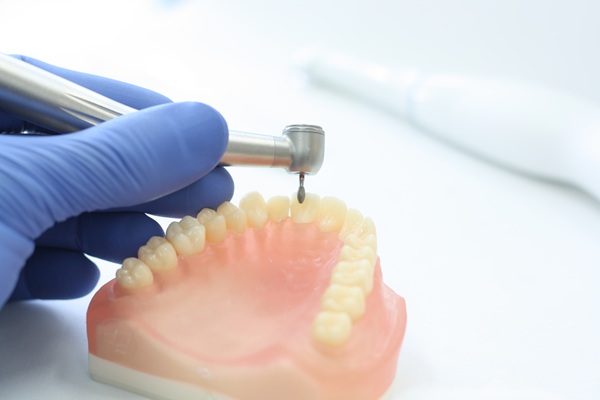
Improve Speech Pattern Changes With Denture Adjustments
When discussing denture adjustments, the topic can extend beyond those performed by a dentist. Adjustments to your lifestyle can also help ease the transition as you get used to your new dentures. Whether this is your first set of dentures or you just got a replacement pair, you may notice discomfort in the mouth and…
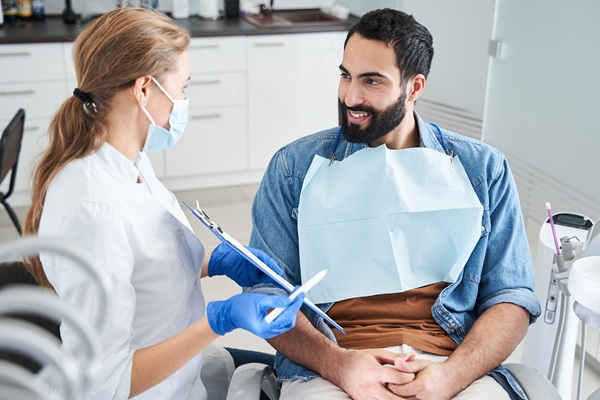
Treatment Of An Avulsed Tooth In Same Day Dentistry
A dislodged tooth, which is also called an avulsed tooth, requires same day dentistry treatment. The condition is usually a result of the tooth being forcefully pushed out or into its socket due to a traumatic incident like a fall or an accident. To prevent the need for tooth loss or an invasive procedure like…
Explore additional topics covered on our website:
Call Us Today

Scan here to call Huntington Dental Excellence on mobile