
Dentures and Partial Dentures

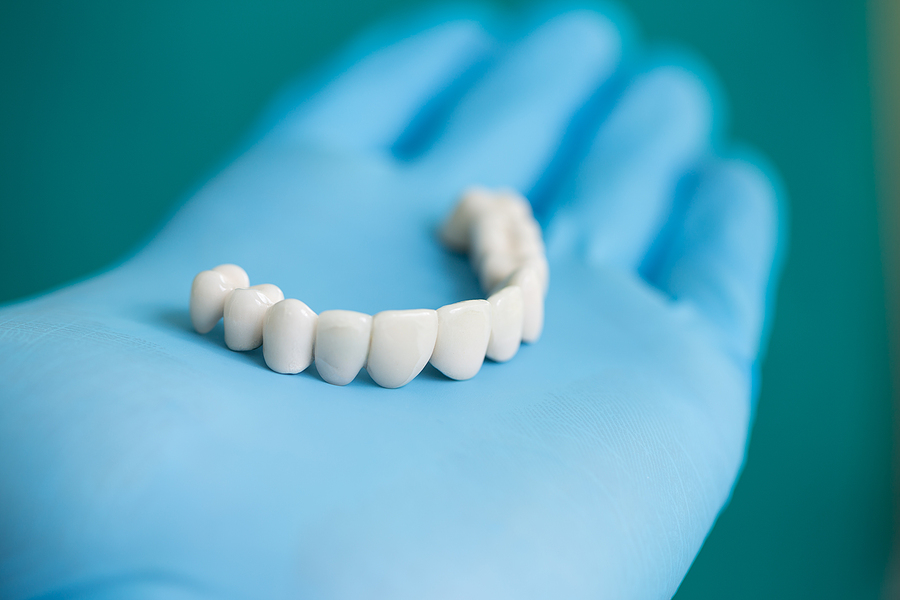
Missing teeth can affect the way you eat, speak, and feel about your smile. Dentures and partial dentures provide a dependable way to replace missing teeth, restore everyday function, and improve your confidence. Whether you are missing several teeth or an entire arch, we can create a custom restoration designed to fit comfortably and look natural.

Huntington Dental Excellence provides full and partial dentures for patients in South Pasadena and the surrounding area. Every denture is customized to your unique smile, helping restore your ability to chew and speak more comfortably while supporting your facial appearance.
REQUEST AN APPOINTMENT

Our team will work closely with you to recommend the option that best fits your oral health, lifestyle, and long-term goals so you can enjoy a healthy, confident smile again.

Call us today at (626) 427-0085 and schedule a time to discuss replacing your teeth with dentures or partial dentures or learn more about our services.

Why Some Patients Choose Dentures

Today’s patients have several options for replacing missing teeth, including dental implants, bridges, and dentures. The right choice depends on your oral health, lifestyle, goals, and budget. During your consultation, we will explain the advantages of each option and help you determine which solution best fits your needs.

Some patients choose dentures because they provide an effective and affordable way to replace multiple missing teeth. Others appreciate that dentures can often be completed more quickly than treatments that require surgery or a longer healing period. For patients who are not candidates for dental implants or prefer a non-surgical solution, custom dentures can restore comfort, function, and confidence with natural-looking results.

Our goal is never to recommend the same treatment for everyone. Instead, we take the time to understand your priorities and guide you toward the tooth replacement option that will serve you best for years to come.

“We take the time to understand your priorities and guide you toward the tooth replacement option that will serve you best for years to come.”

“When recommending treatment, we consider factors such as the number and location of missing teeth, the health of your remaining teeth and gums, your long-term goals, and your budget.”

Exploring Your Tooth Replacement Options

Dentures and partial dentures are trusted solutions for replacing missing teeth, but they are not the only options available. Depending on your oral health and treatment goals, we may also recommend a dental bridge or dental implants. Each solution offers its own advantages, and the best choice depends on your unique needs.

When recommending treatment, we consider factors such as the number and location of missing teeth, the health of your remaining teeth and gums, your long-term goals, and your budget. During your consultation, we will explain each option, answer your questions, and help you make an informed decision with confidence. Our focus is on finding the solution that restores your smile comfortably, naturally, and for the long term.

Types of Dentures

There is no one-size-fits-all solution for replacing missing teeth. Depending on your oral health, lifestyle, and long-term goals, we may recommend one of several denture options. During your consultation, we will explain each type and help you choose the one that best meets your needs.

The best denture option depends on your individual needs, oral health, and treatment goals. Our team will take the time to explain your choices, answer your questions, and recommend the solution that will help you regain a healthy, confident smile.

Full Dentures

Full dentures replace an entire arch of missing teeth and rest comfortably on the gums. In some cases, immediate dentures can be placed on the same day teeth are removed. Other patients may benefit from allowing the gums to heal before receiving their final dentures.

Partial Dentures

If you still have healthy natural teeth, a partial denture may be an excellent option. Partial dentures are custom made to fill the spaces left by missing teeth and are designed to fit securely around your remaining teeth for improved comfort and stability.

Implant-Supported Dentures

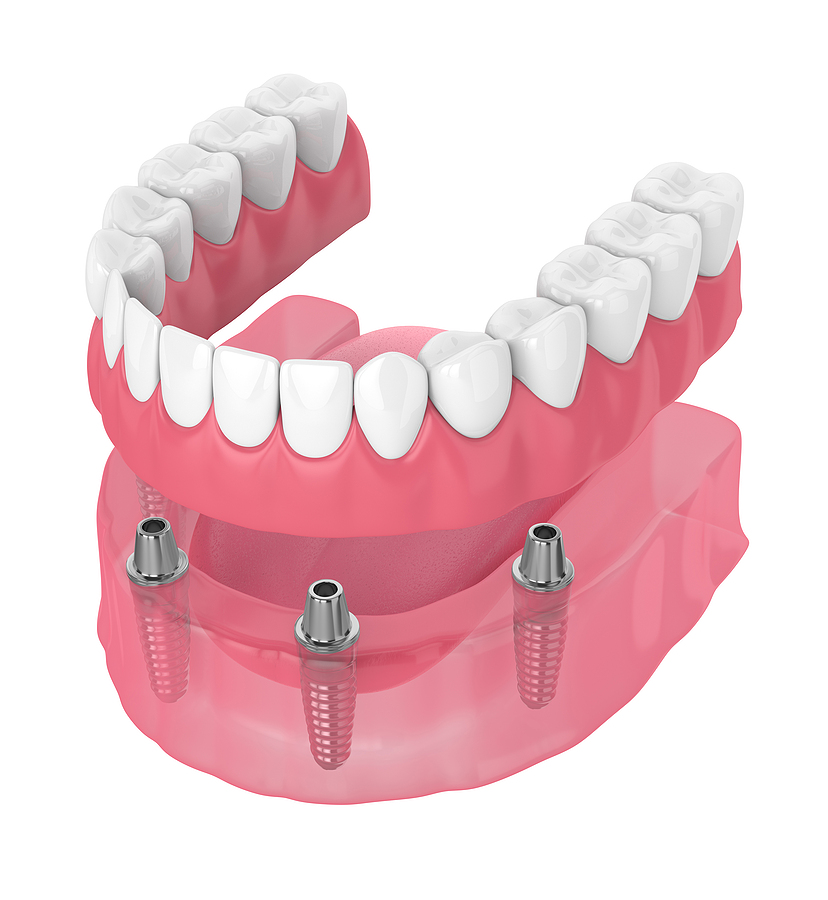
Implant-supported dentures combine the stability of dental implants with the convenience of a full-arch restoration. A small number of strategically placed implants anchor the denture securely in place, creating a solution that feels more stable than a traditional removable denture.

Snap-In Dentures

Snap-in dentures, sometimes called overdentures, are designed for patients who want the added stability of dental implants while still being able to remove their dentures for cleaning. The dentures securely attach to implants using specialized connectors, providing a comfortable fit with less movement during eating and speaking.

Caring for Your Dentures

With the right care, your dentures can continue to look, feel, and function their best for years. According to the Mayo Clinic, both full and partial dentures require daily cleaning to help prevent stains, odors, and plaque buildup. After eating, remove your dentures and rinse them thoroughly before placing them back in your mouth. If you have any remaining natural teeth, be sure to brush them as part of your daily oral hygiene routine.

Handle your dentures with care to avoid damaging the acrylic or any metal components. Brush them gently every day using a denture-safe cleanser, and soak them overnight as recommended to help maintain their shape and cleanliness. Regular dental appointments are also important, as we can check the fit of your dentures, make adjustments when needed, and help keep your mouth healthy and comfortable.

Denture Adhesives

Well-fitting dentures should feel secure and comfortable without relying on adhesives for everyday use. Over time, however, natural changes in the jawbone and gums can affect the way dentures fit, causing them to become loose or shift while eating or speaking.

If your dentures no longer fit comfortably, it may be time for an adjustment, a reline, or a replacement. While denture adhesives can provide temporary added stability, they should not be used as a substitute for properly fitting dentures. If you notice changes in the fit of your dentures, our team can evaluate them and recommend the most appropriate solution to restore your comfort and confidence.

Myths About Dentures

Dentures Will Make It Hard to Eat

Dentures should allow the person to eat most foods without any issues. However, the patient should be careful about chewing hard foods such as candy, nuts, and ice. Sticky foods can also pull the dentures out of the person’s mouth.

Dentures Do Not Look Natural

Full and partial dentures can help people experience the satisfaction of a full smile again. Dentures closely resemble natural teeth. We will make sure the artificial teeth match the color of any remaining real teeth. Dentures can also give a person’s cheeks a more defined shape and appearance.

You Will Not Need to Replace Dentures Over Time

Dentures can work effectively for up to 10 years. This time frame will depend mainly on the person’s commitment and diligence to maintaining the appliance. Just as patients should brush and floss natural teeth, people must do the same with dentures. These habits will help prevent and remove stains from artificial teeth and preserve their color.

You Can Use Regular Toothpaste on Dentures

Each night, patients should remove the dentures and soak the appliance in a solution that we recommend to help clean the dentures. Regular toothpaste is likely to be too harsh on dentures. After every meal, the wearer should take out the dentures and rinse them off. When rinsing the dentures, the person must be careful not to drop the appliance. It may be helpful to place a towel on the counter or in the sink.

Frequently Asked Questions

Q. How much do dentures cost? Can insurance cover part or all of the cost?

A. We can go over dental coverage for this treatment during a consultation appointment in our office. We will go over the replacement options with you and the types of insurance we accept. If you wish to know about your coverage, you will need to contact your insurance provider.

Q. Will dentures change the way I look?

A. Dentures may enhance your overall appearance. In addition to replacing any missing teeth and improving the smile, dentures can help stop the facial muscles from sagging.

Q. Will dentures change the way I speak?

A. It may take you some time to get accustomed to speaking with dentures. However, with enough time and practice, dentures will likely improve your speech.

Q. How do new dentures feel?

A. New dentures are likely to feel foreign and awkward in the mouth. However, any discomfort you may feel will subside with time.

Q. Does age affect my tooth replacement options?

A. Some people may think dentures are only for older patients. While it is true that this demographic frequently chooses this option, younger people can get them too. Most dental professionals will wait until a person is 18 to consider the treatment.

Q. What are denture adhesives, and are they safe to use?

A. Denture adhesives are any adhesives placed in or on dentures to help them stay in place. They typically come as pastes, powders, or adhesive pads. Some also contain zinc to enhance adhesion. In moderation, they are safe to use.

Denture Terminology

Alveolar Bone

The alveolar bone is the bone surrounding the root of the tooth that keeps the tooth in place.

Clasp

A clasp is a device that holds a removable partial denture prosthesis to the teeth.

Denture Base

The denture base is the part of the denture that connects the artificial teeth with the soft tissue of the gums.

Edentulous

Edentulous is a term that applies to people who do not have any teeth.

Periodontal Disease

Periodontal disease is a condition that causes inflammation of the gingival tissues and membrane of the teeth, leading to tooth loss without professional treatment.

Pontic

Pontic is another term for an artificial tooth on a fixed partial denture.

Rebase

Rebase is the process of refitting denture prosthesis by replacing the base material.

Reline

Reline is when a professional resurfaces the surface of the prosthesis with a new base material.

Resin/Acrylic

Resin and Acrylic are resinous materials that can be components in a denture base.

Stomatitis

Stomatitis is the inflammation of the tissue that is underlying a denture that does not fit properly. It can also result from other oral health factors.

Book Your Appointment Today

Have you decided that dentures are right for you? If not, consider speaking with our team to see what your options are. For more information, call us at (626) 427-0085 to schedule an appointment with Huntington Dental Excellence in South Pasadena today.

Helpful Related Links

American Dental Association (ADA)
American Academy of Cosmetic Dentistry® (AACD)

About our business

Huntington Dental Excellence

  • Huntington Dental Excellence was established in 1987.
  • We accept the following payment methods: American Express, Cash, Check, Discover, MasterCard, and Visa
  • We serve patients from the following counties: Los Angeles County
  • We serve patients from the following cities: South Pasadena, Pasadena, Alhambra, Monterey Park, Highland Park, San Gabriel, San Marino, Rosemead, Altadena, Temple City and Los Angeles
  • CA (License #35999). View License Information and Specifics
  • National Provider Identifier Database (1194877746). View NPI Registry Information

Discover A Different Kind Of Dental Experience