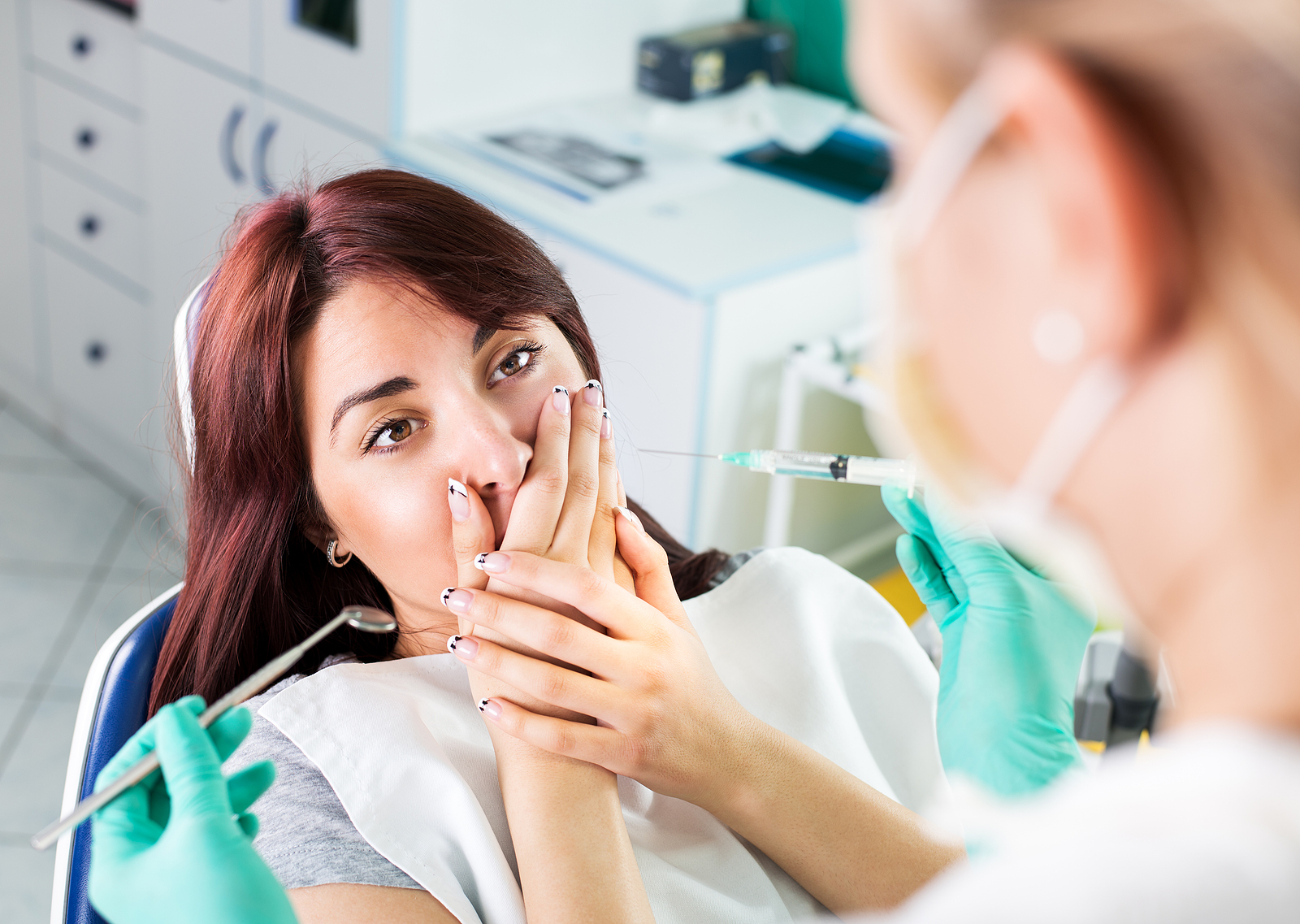

Emergency Dentist vs Emergency Room

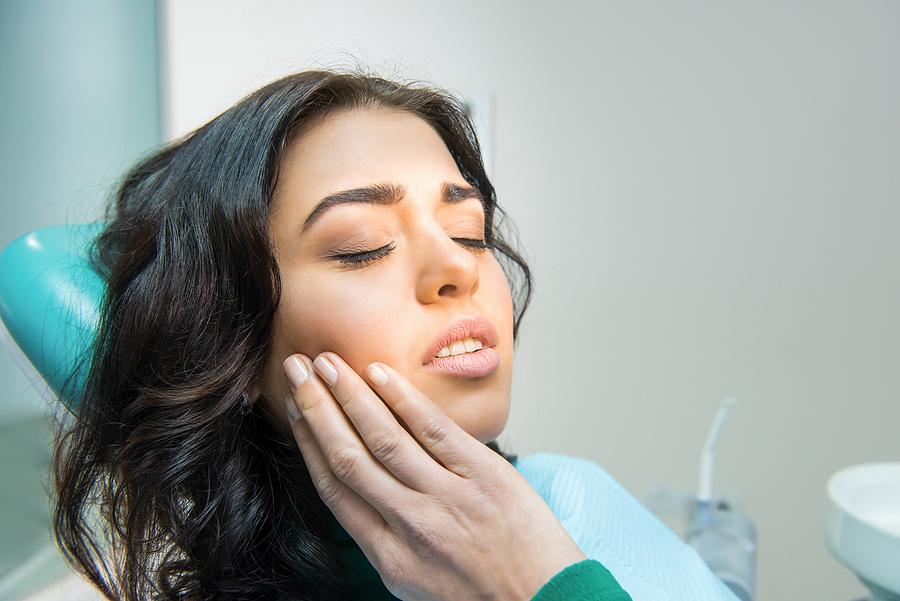
When a dental emergency happens, knowing where to seek care can save valuable time and help protect your smile. Problems such as severe toothaches, broken teeth, lost fillings or crowns, knocked-out teeth, and dental infections are often best treated by an emergency dentist, who has the training and equipment needed to diagnose and treat urgent dental conditions.

Huntington Dental Excellence provides emergency dental care for patients in South Pasadena and the surrounding area. If you experience a dental emergency during office hours, we encourage you to contact our office as soon as possible so we can help determine the appropriate next steps and arrange prompt care whenever possible.

REQUEST AN APPOINTMENT

If your emergency occurs after hours, on a weekend, or during a holiday, carefully consider the nature of the injury. Conditions involving uncontrolled bleeding, difficulty breathing or swallowing, significant facial trauma, or any other potentially life-threatening emergency should be treated immediately at the nearest emergency room or by calling 911.

Dental emergencies can happen at any time, but receiving the right care as quickly as possible can make a significant difference in your comfort, your oral health, and the likelihood of preserving your natural teeth. If you are unsure whether your situation requires emergency dental treatment, contact Huntington Dental Excellence. Our team will help guide you to the most appropriate source of care. Call us at (626) 427-0085 to get the immediate treatment you need.

When to Go Straight to the Emergency Room

While a dentist can best treat many dental emergencies, some situations require immediate medical attention. If you have been involved in a serious car accident, suffered a significant fall, or experienced a forceful blow to the head or face, seek emergency medical care right away. As Harvard Health, explains, head injuries can be serious even when symptoms are not immediately apparent. Your overall health should always take priority before addressing dental injuries.

You should also go to the nearest emergency room if you have uncontrolled bleeding, difficulty breathing or swallowing, severe facial swelling, or another potentially life-threatening condition. Patients who take blood-thinning medications should seek prompt medical evaluation if bleeding does not stop, as these medications can make it more difficult for bleeding to be controlled.
If your dental emergency occurs after office hours and involves severe pain, significant swelling, or symptoms that you believe require immediate medical attention, do not delay seeking care. Once your condition has been stabilized, we will be happy to provide any follow-up dental treatment needed to restore your oral health and your smile.

“If you have been involved in a serious car accident, suffered a significant fall, or experienced a forceful blow to the head or face, seek emergency medical care right away.”

“In addition to helping patients manage symptoms, dental professionals can treat underlying conditions and ensure they do not grow worse.”

When To Call a Local Emergency Dentist First

In the majority of oral health emergencies, patients should contact their emergency dentists before heading to the ER. In addition to helping patients manage symptoms, dental professionals can treat underlying conditions and ensure they do not grow worse. For individuals who are not sure what constitutes a “dental emergency” as opposed to a non-urgent yet uncomfortable situation, the ADA provides guidance. The most common situations that characterize a dental emergency are the following:

  • Bleeding that will not stop
  • Infection accompanied by swelling or pain
  • Painful swelling around or in the mouth, with or without infection
  • Chipped, broken, or dislocated teeth
  • Abscess with localized pain and swelling and no signs of complications
  • Loss of a permanent or temporary restoration

Other problems that may necessitate immediate but not emergency care include broken, irritating, or malfunctioning dentures; oral sutures; and bent or broken orthodontic appliances or wires.

What to Expect During Emergency Dental Treatment

Every dental emergency is unique, so your treatment will depend on the nature and severity of the problem. Our first priority is to relieve your discomfort, identify the cause of your symptoms, and determine the most conservative and effective way to restore your oral health. Whenever possible, we focus on saving your natural teeth and preventing additional damage.

Emergency treatment may include repairing a chipped or broken tooth, replacing a lost filling or crown, repositioning or stabilizing an injured tooth, performing root canal therapy, or, when a tooth cannot be saved, recommending an extraction. During your appointment, we will thoroughly examine the affected area, take any necessary digital X-rays, and discuss your treatment options before moving forward. Our goal is to relieve pain, restore function, and help you return to your normal routine as quickly and comfortably as possible.

“Every dental emergency is unique, so your treatment will depend on the nature and severity of the problem.”

“After a dental emergency, patients can expect at least one follow-up visit.”

Follow-Up Care

After a dental emergency, patients can expect at least one follow-up visit. During this checkup, the dentist examines the patient’s mouth. They may ask about the patient’s symptoms and pain level. Occasionally, the dentist also performs an X-ray. Follow-up visits ensure that treatment was successful. If the patient needs further care, the dentist can adjust their treatment plan.

Some dental emergencies can take time to resolve. For example, a dentist may perform several procedures to repair damage caused by a severe injury or accident. If the emergency resulted in tooth loss, it might also take time to arrange for a replacement tooth. The dentist can provide further details about your treatment timeline.

Frequently Asked Questions

Q. How can I avoid a dental emergency?

A. Protect your teeth and gums when playing sports by using a mouthguard made to fit your mouth precisely. Do not chew hard items such as candy and ice that can damage teeth. Do not use your teeth as tools (to open a package, for example), which can also cause breakage and injury. Keep a first aid kit with gauze and acetaminophen in case of a dental injury.

Q. Is tooth sensitivity a dental emergency?

A. If you experience pain or sensitivity when heat, cold, or pressure affect your teeth, a cavity could be the cause. This symptom is also common among those who have recently had a dental procedure. However, it does not constitute an emergency unless the pain becomes severe.

Q. What type of pain signals a dental emergency?

A. Sharp pain that occurs when you bite down often indicates a broken or damaged tooth. If pain occurs to the gum area within 30 seconds or so of eating hot or cold food, the symptom could indicate damage or infection to the pulp of the tooth. Both of these situations require immediate dental care.

Q. Should I seek emergency dental care for a small crack or chip?

A. Minor damage to the teeth is often painless and is not necessarily an emergency. Chips and cracks that affect only the tooth’s enamel can often be filled, polished, and smoothed. However, you should see the dentist right away to prevent further damage. A crack or break in the tooth becomes more urgent when the root is exposed, which can cause severe pain.

Q. What if I have a loose adult tooth?

A. A loose permanent tooth is a dental emergency. If left untreated, the tooth could fall out entirely. Gently push the tooth back into alignment and see a dentist right away for reattachment.

Dental Emergency Terminology

Abscess

A dental abscess is a pocket of pus that forms in the tooth root from a bacterial infection.

Facial Cellulitis

Facial cellulitis is a condition in which an infection from an abscess or plaque in the teeth causes pain and spreads throughout the face.

Impacted Wisdom Tooth

An impacted wisdom tooth is a tooth that does not erupt from the gums properly that can cause pain and become infected without professional extraction.

Irreversible Pulpitis

Irreversible pulpitis is when the pain in the tooth occurs spontaneously or continues to hurt after the patient removes the hot or cold substance that was causing the pain. Normal pulpitis will cease hurting directly after removing what is causing the pain.

Lateral Luxation

Lateral luxation is the displacement of a tooth that moves it in the wrong direction while it is still attached to the gums.

Pericoronitis

Pericoronitis is the inflammation of soft tissues surrounding a tooth that does not fully erupt from the gums and causes pain.

Tooth Avulsion

Tooth avulsion is when the tooth completely displaces from the socket due to an accident or other health issues. We can replant the tooth if the patient seeks immediate care.

Tooth Fracture

A tooth fracture can result from multiple sources, including an accidental elbow to the face during a sports game, biting on something really hard, falling face first, and more.

Learn More About How Emergency Dental Care Can Help You

A dental emergency can be frightening, and it is important to seek medical attention as quickly as possible. Our practitioners can treat your problem to relieve mouth pain quickly. Call Huntington Dental Excellence at (626) 427-0085 today to schedule an appointment in South Pasadena.

Helpful Related Links

American Dental Association (ADA)
American Academy of Cosmetic Dentistry® (AACD)

About our business

Huntington Dental Excellence

  • Huntington Dental Excellence was established in 1987.
  • We accept the following payment methods: American Express, Cash, Check, Discover, MasterCard, and Visa
  • We serve patients from the following counties: Los Angeles County
  • We serve patients from the following cities: South Pasadena, Pasadena, Alhambra, Monterey Park, Highland Park, San Gabriel, San Marino, Rosemead, Altadena, Temple City and Los Angeles
  • CA (License #35999). View License Information and Specifics
  • National Provider Identifier Database (1194877746). View NPI Registry Information

Discover A Different Kind Of Dental Experience