
Healthy gums play an essential role in protecting your teeth and supporting your smile. When the gums begin to recede, more of the tooth and, in some cases, the root surface becomes exposed. Gum recession can affect the appearance of your smile and may also lead to tooth sensitivity, an increased risk of decay on the roots, and reduced support for your teeth if left untreated. Early diagnosis and treatment can help slow the progression of gum recession and protect your long-term oral health.
Treatment for receding gums is available at Huntington Dental Excellence in South Pasadena and the surrounding area. During your examination, we will identify the underlying cause of your gum recession and recommend a personalized treatment plan based on the severity of your condition. Whether your treatment involves improving your oral hygiene routine, periodontal therapy, or other restorative procedures, our goal is to preserve your healthy gums, protect your natural teeth, and help you maintain a comfortable, confident smile. Call us today at (626) 427-0085 to schedule an appointment or learn more about our services.
Signs of Receding Gums
Receding gums are most evident when the tooth’s roots are exposed. This happens when the gums have dissipated further and further back until there is no longer a secure gumline. Patients often go a long time before realizing that they have gum recession since physical signs may not appear during the initial stages.
Common symptoms of receding gums include a changing appearance (the tooth appears longer and the space between teeth increases), bad breath, bleeding gums, gum pain, red or swollen gums, loose teeth or tooth loss, and sensitivity to cold and heat due to exposed tooth roots. These symptoms are common in gum disease and periodontitis, and gum recession is often an early sign of gum disease. It is important to seek an examination and treatment as soon as any of these signs appear.

“Patients often go a long while before realizing that they have gum recession as physical signs may not appear in initial stages.”
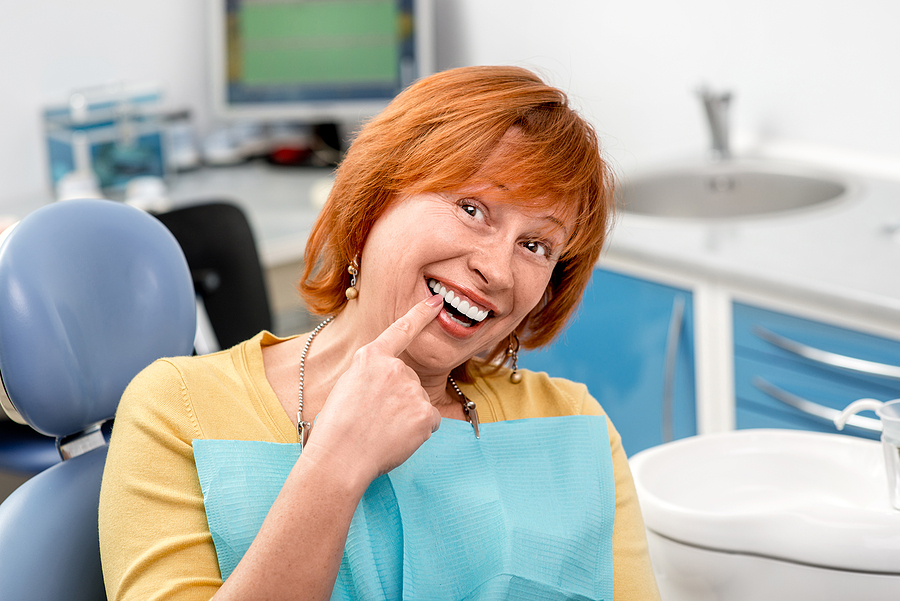
“Several different factors can cause a person’s gums to recede, regardless of the state of their oral hygiene.”
Causes of Gum Recession
Several factors can cause a person’s gums to recede, regardless of the state of their oral hygiene. These include aggressive toothbrushing, body piercing, clenching or grinding teeth, crooked teeth or a misaligned bite, hormonal changes, insufficient dental care, periodontal disease, and tobacco products. Genetics may also be a factor. For example, parents may pass down weak, thin gums to their children.
Some patients may also find that their gums are receding only on one side. Usually, this is due to plaque concentrating in one area of the mouth. This condition may be due to neglecting oral hygiene on one side of the mouth, as excess plaque and bacteria at the gum line may release toxic substances that destroy gum tissue. Alternatively, a misaligned bite may lead to greater wear on one side of the mouth than the other. Gum recession may happen on only one tooth for similar reasons or some physical trauma.
Treatments for Gum Recession
Mild gum recession is often treatable through a scaling and planing procedure, also known as a deep cleaning. This treatment involves professional cleaning and removing plaque from the surfaces of teeth and beneath the gum pockets. The procedure also removes or prevents infection that may arise from plaque buildup.
More severe gum recession will require a surgical procedure to treat effectively. Common surgeries for the treatment of gum recession include:
Open flap scaling and root planing:
The medical professional folds back the affected gum tissue, removes the harmful bacteria from the pockets, and then secures the gum tissue in place over the tooth root, thus eliminating the pockets or reducing their size.
Regeneration:
If the bone supporting the teeth has been destroyed as a result of gum recession, a procedure to regenerate lost bone and tissue may be recommended. The professional will fold back the gum tissue and remove the bacteria. A regenerative material, such as a membrane, graft tissue, or tissue-stimulating protein, will then be applied to encourage the body to regenerate bone and tissue in that area naturally. After the regenerative material is put in place, the gum tissue is secured over the root of the tooth or teeth.
Connective tissue graft:
In this soft tissue graft procedure, a flap of skin is cut at the roof of the mouth (palate) and tissue from under the flap, called subepithelial connective tissue, is removed and then stitched to the gum tissue surrounding the exposed root. After the connective tissue — the graft — has been removed from under the flap, the flap is stitched back down.
Free gingival graft:
Tissue is taken directly from the roof of the mouth instead of under the skin.
Pedicle graft:
If there is enough gum tissue surrounding the affected teeth, then it is possible to graft gum from near the tooth instead of removing tissue from the palate.
The type of surgery will depend on the patient’s case, age, risk factors, medical or oral health conditions, and the severity of evident gum recession.
“More severe gum recession will require a surgical procedure to effectively treat.”
Preventing Gum Recession
Proper dental care is the number one way to prevent gum recession. This involves maintaining a routine where patients brush their teeth with a soft-bristled toothbrush at least twice daily and floss at least once daily. Patients should also see a dentist at least twice a year. At-risk patients may require more frequent visits, and a dentist who notices signs of gum recession may want to keep a vigilant watch to ensure it does not worsen.
Patients may want to consider asking their dentist how to brush their teeth properly to ensure that they are not brushing too aggressively. Additionally, healthy lifestyle choices like eating a well-balanced diet and not smoking can lessen one’s chances of gum recession dramatically.
It can be dangerous to leave gum recession untreated. Exposed tooth roots may decay very quickly, necessitating various expensive, painful procedures. Teeth may get more sensitive, and the appearance of the smile may become imbalanced. It is also possible that what patients are experiencing is not gum recession but undetected, worsening gum disease.
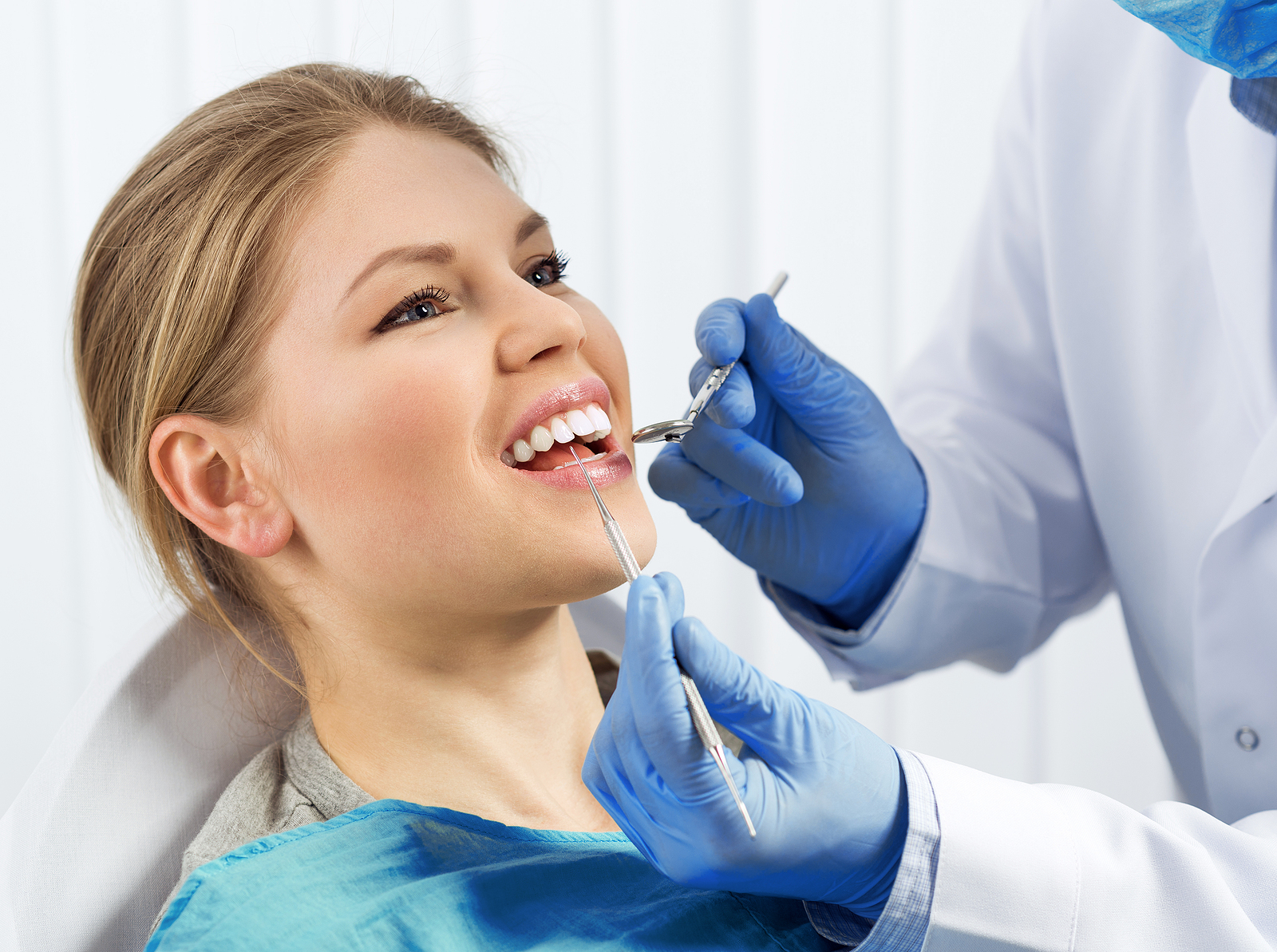
“…healthy lifestyle choices like eating a well-balanced diet and not smoking can lessen one’s chances of gum recession dramatically.”

“People who smoke, struggle with misalignment issues, or have diabetes have a higher chance of acquiring gum recession.”
Risk Factors
Individuals with healthy, pink, firm gums should not worry about gum recession. However, if symptoms and signs appear, a thorough oral evaluation is recommended. It is also advisable to know the risk factors to better assess one’s likelihood of developing gum recession.
Medical News Today lists the four most common risk factors of receding gums: age, tobacco, diabetes, and genetics. A study found that 88% of individuals aged 65 years and older have gum recession, while 50 percent of people aged 18 to 64 years have one or more sites with recession. People who smoke, struggle with misalignment issues, or have diabetes have a higher chance of acquiring gum recession.
Questions Answered on This Page
Frequently Asked Questions
Q. Can I improve gum recession at home?
A. Receded gums cannot grow back, so the condition is irreversible. However, practicing exceptional oral hygiene can prevent the progression of recession. Various treatment options are also available to alter the appearance of the gumline.
Q. How long can gum recession go untreated?
A. It is best to treat gum recession as soon as early signs appear or a dentist makes an evaluation. Going without treatment can cause plaque buildup, infection, and gum disease. These conditions, when severe, will likely lead to tooth loss or jaw damage.
Q. Are there natural remedies to keep the gums healthy?
A. All patients should exercise adequate oral hygiene habits, such as brushing, flossing, rinsing, and routinely visiting the dentist. Healthline suggests a variety of home remedies for caring for the gums at home. These steps should be done alongside the preventative measures listed above.
Q. What kind of toothbrush is recommended to avoid harsh brushing?
A. We recommend using a soft-bristled toothbrush, as medium or hard toothbrushes can wear and tear surface enamel and irritate the gums, causing recession to occur. The ADA recommends soft-bristle toothbrushes with angled or multilayer bristles and electric toothbrushes.
Q. Is gum recession linked to any other health conditions?
A. Gum recession is linked to oral health conditions such as gingivitis, gum disease, and periodontal disease. It is also linked to general health conditions such as cardiovascular disease and diabetes. There are certain health conditions that make one more prone to receding gums and vice versa. It is important to mention all health conditions to both your doctor and dentist.
Gum Disease Terminology
Chronic Periodontitis
Chronic periodontitis is the most common form of periodontitis, involving inflammation of the tissue surrounding the teeth and the formation of pockets as well.
Necrotizing Periodontal Disease
Necrotizing periodontal disease is an infection that causes lesions to form on the face and other symptoms due to the necrosis of gingival tissues, periodontal ligaments, and alveolar bone.
Periapical Cyst
A periapical cyst is a pathological cavity at the roots of the teeth that typically has epithelium in the lining and contains fluid or soft matter.
Periodontal Disease
Periodontal disease is a serious inflammation of the gingival tissues and the periodontal membrane of the teeth that causes pain and helps form deeper gingival sulcus.
Periodontal Ligament
Periodontal ligaments are a group of tissue fibers that help attach the tooth to the alveolar bone, which can sustain damage from gum disease or improper oral hygiene.
Dental Prophylaxis
A dental prophylaxis is a professional and detailed cleaning that involves the removal of plaque, calculus, and stains from the teeth.
Dental Sealants
Dental sealants contain a resinous material that we apply to the chewing surfaces of the posterior teeth to prevent dental caries.
Periodontal Pocket
A periodontal pocket is a potential area of space, known as a gingival sulcus, which is deeper than normal and can contain bacteria that cause an infection.
Periodontal Surgery
Periodontal surgery is the treatment of extreme levels of periodontal disease that can involve multiple techniques to remove the inflamed tissue and infection before it spreads.
Scaling and Root Planing
Scaling and root planing is a non-surgical therapy that involves the removal of dental plaque in hard-to-reach places with patients who do not take proper care of their teeth.
Tartar
Tartar forms when plaque builds up on the surface of the teeth and calcifies into a hard surface that is much more difficult to remove and will require professional treatment.

Call Us Today
Gum recession can be stressful to experience. We at Huntington Dental Excellence may be able to help. Call us today at (626) 427-0085 to learn more and schedule an appointment.