
Dental Cleanings And Examinations

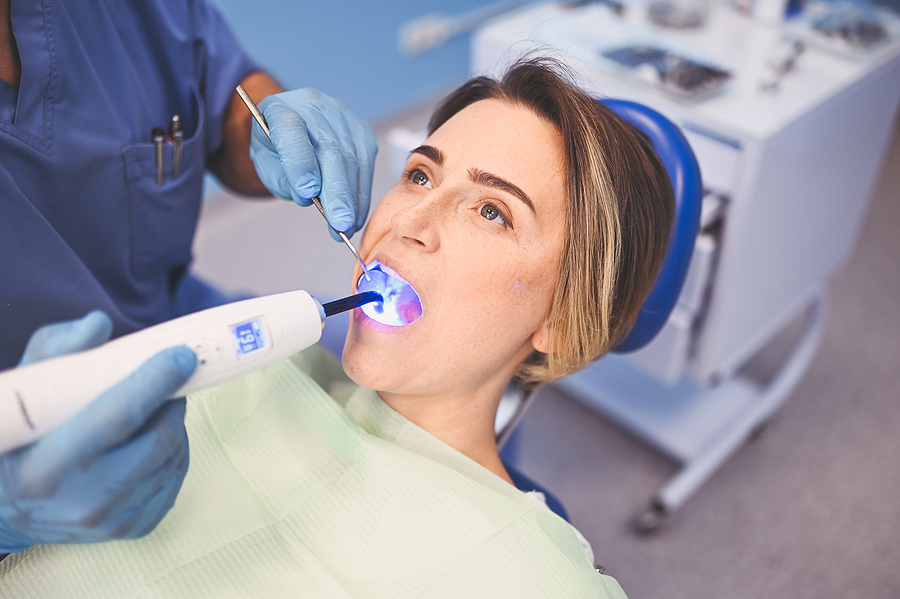
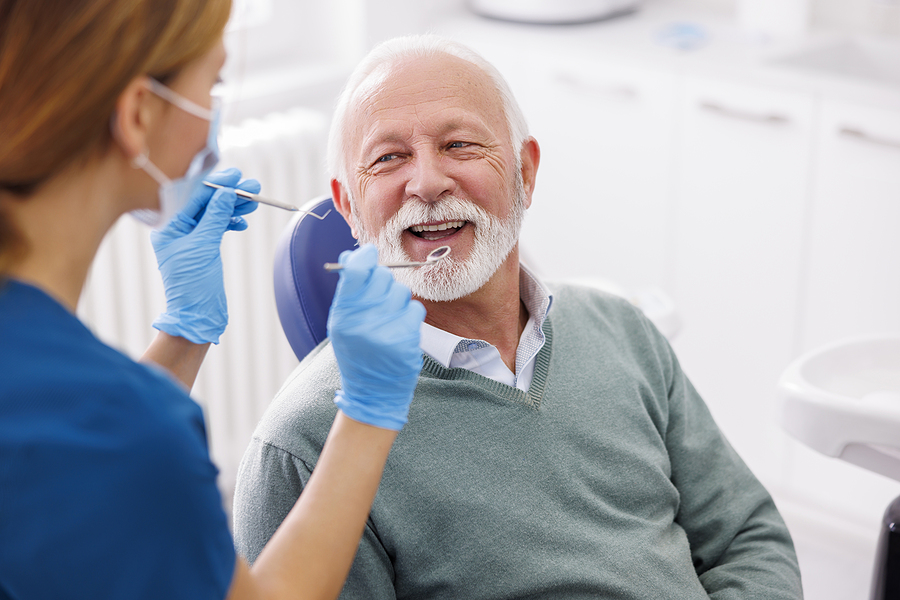
Professional dental cleanings are a crucial part of regular dental checkups and examinations. It keeps the smile healthy and free of disease. Professional cleanings include plaque removal, flossing, polishing, and an examination of the gums. Patients who keep up with their regular appointments and at-home oral hygiene routine should experience simple and efficient dental cleaning appointments.

A specialized dental professional is responsible for this part of a dental examination and will answer any questions patients may have, as well as help to address oral health concerns and provide guidance on how to maintain a bright, healthy smile. To schedule your dental cleaning, contact our Huntington Dental Excellence team at (626) 427-0085 today.

REQUEST AN APPOINTMENT

Why Dental Cleanings Are Important

No matter how good your oral hygiene routine is, nothing replaces regular checkups and professional cleanings. The dental professional will use special tools to remove any plaque buildup that brushing and flossing alone can’t eliminate.

With good oral hygiene and professional dental cleaning every six months, the risk of losing adult teeth declines considerably. The dental professional may also take X-rays, which can reveal early signs of tooth decay and other types of damage. Early detection of any dental problems can help correct or reverse problems before they become severe.

“Mouthwash that contains fluoride is a useful addition to any oral hygiene routine.”

The Power of Professional Fluoride and Dental Tools

At the end of your professional cleaning, we may recommend rinsing with a special fluoride mouthwash. Adding fluoride to your oral hygiene routine can provide an extra layer of protection against tooth decay, especially when recommended for both in-office and at-home use. Mouthwash that contains fluoride is a useful addition to any oral hygiene routine. Like the professional scaler, toothpaste, and electric brush used during your cleaning, this fluoride treatment is designed to be more effective than over-the-counter products while remaining safe for your teeth and gums.

Cleaning the Teeth

Your dental professional will use specialized instruments to carefully remove plaque and tartar from your teeth. Plaque is a sticky film that forms throughout the day and can usually be removed with regular brushing and flossing. When plaque is not removed, it hardens into tartar, which can only be eliminated with professional dental tools.

The more tartar that has accumulated around the teeth and along the gumline, the longer the cleaning process may take. Maintaining a consistent brushing and flossing routine at home helps reduce tartar buildup and makes professional cleanings easier and more comfortable.

If you have sensitive teeth or gums, let us know before your cleaning begins. Gum disease and tooth decay can make certain areas of the mouth more sensitive, and your dental professional will take extra care to keep you as comfortable as possible. For patients with more significant sensitivity, light sedation may also be available to help create a more relaxed experience.

“There is no need for patients to feel embarrassed about asking questions or being open about their fear.”

Fluoride Treatment

Dental cleanings often include a special fluoride treatment. Fluoride is a mineral that helps strengthen teeth and prevent cavities. It is found in most brands of toothpaste and mouthwash. The fluoride treatment used in dental offices is more concentrated than anything available commercially. It may come in the form of a rinse, foam, or gel. The dental professional may ask that eating and drinking be avoided for 30 minutes after the treatment so the fluoride can be fully absorbed into the teeth.

Dental Cleaning vs. Deep Cleaning

Regular dental cleanings remove plaque and tartar from the surface of the teeth. If too much bacteria is present, the dentist may not be able to perform a regular cleaning. Performing a dental cleaning when a patient has gum diseasHere’s a revised version that improves readability, feels more patient-friendly, and softens the explanation while remaining faithful to the original content and not introducing information beyond what’s already presented.

A routine dental cleaning is designed to remove plaque and tartar from the visible surfaces of your teeth. However, if there is a significant buildup of bacteria caused by gum disease, a regular cleaning may not be the most appropriate treatment. In some cases, removing large amounts of bacteria during a standard cleaning can allow more bacteria to enter the bloodstream, which is why your dentist may recommend a different approach.

A deep cleaning is designed to remove bacteria from below the gumline, around the roots of the teeth, and within the pockets that can form between the teeth and gums. Because this treatment is more thorough, it is often completed one section of the mouth at a time to ensure your comfort while effectively treating the affected areas.

“A deep cleaning is designed to remove bacteria from below the gumline, around the roots of the teeth, and within the pockets that can form between the teeth and gums.”

Preventing Dental Emergencies

If you brush and floss consistently, it may seem like you can put off your regular dental cleanings. However, these appointments are about much more than keeping your teeth clean. They also give your dentist the opportunity to identify small concerns before they become larger, more complex problems. Conditions like tooth decay or small cracks in a tooth are often easier to treat when caught early and are less likely to develop into dental emergencies.

Frequently Asked Questions

Q. How often should I have my teeth cleaned?

A. The American Dental Association recommends that children and adults have their teeth professionally cleaned every six months. If you have dental insurance, you will likely pay no out-of-pocket cost for these cleanings.

Q. Do I still have to see a dentist if I don’t have any symptoms?

A. You should have a dental cleaning twice a year even if you do not have any symptoms. Dental cleanings remove plaque and tartar from the teeth, which helps prevent tooth decay. Neglecting dental cleanings can lead to serious dental issues.

Q. What is the difference between a dental cleaning and a deep cleaning?

A. If you have a lot of tartar buildup, your dentist may recommend a deep cleaning. A deep cleaning is a more thorough procedure designed to remove bacteria from the mouth. A deep cleaning may involve two procedures: scaling and root planing. Scaling removes plaque and tartar from below the gum line, while root planing smooths rough spots on the roots of the teeth to reduce bacteria and help teeth reattach to the gums. If your dentist recommends a deep cleaning for you, they may ask you to reschedule for a later date, as deep cleanings are more involved and take longer. They may also require more than one appointment to complete.

Q. What can I do to take care of my teeth at home?

A. Using fluoride toothpaste, brush your teeth at least twice a day for two minutes. You may want to brush your teeth more often if you eat or drink anything sugary. Floss once a day to remove food particles and bacteria from in between teeth and around the gums.

Q. Are deep cleanings truly necessary

A. Yes. Deep cleanings are particularly necessary for patients with periodontal disease, which leads to the loss of bone and gum attachment to the teeth. Periodontal disease is diagnosed via dental X-rays and gum measurements greater than 4 mm.

Dental Terminology

Cosmetic Dentistry

Cosmetic dentistry is generally used to refer to any dental work that improves the appearance (though not necessarily the function) of a person’s teeth, gums, and/or bite.

Decay

Tooth decay is when the enamel of the tooth begins to decay and cause erosion from plaque and tartar on the teeth.

Dental Caries

Dental caries are also known as cavities and result from a lack of proper oral hygiene, leaving plaque that forms tiny holes in the teeth.

Dental Checkup

A dental checkup is an appointment that involves cleaning the teeth, identifying any signs of infection, and removing said signs of infection at least once every six months in the office.

Dental Filling

A dental filling involves restoring the structure of the tooth by using metal, alloy, porcelain, or plastic to fill the tooth.

Dental Prophylaxis

A dental prophylaxis is a professional and detailed cleaning that involves the removal of plaque, calculus, and stains from the teeth.

Dental Sealants

Dental sealants contain a resinous material that we apply to the chewing surfaces of the posterior teeth to prevent dental caries.

Dentist

A dentist, also known as a dental surgeon, is a doctor who specializes in the diagnosis, prevention, and treatment of diseases and conditions of the oral cavity.

Gingivitis

Gingivitis is the inflammation of gum tissue that results from plaque, other infections in the mouth, and poor oral hygiene.

Preventive Dentistry

Preventive dentistry is the dentistry that focuses on maintaining oral health to prevent the spread of plaque, the formation of tartar, and infections in the mouth.

Tartar

Tartar forms when plaque builds up on the surface of the teeth and calcifies into a hard surface that is much more difficult to remove and will require professional treatment.

Tooth Enamel

Tooth enamel is the protective visible outer surface of a tooth that contains the dentin and dental pulp.

Prevent Dental Emergencies

These cleanings can help prevent expensive dental emergencies and other common oral health concerns, such as cavities. Follow the recommended at-home routine and schedule cleanings every six months. Scheduling your routine dental cleaning is as easy as calling our team in South Pasadena, so call us at (626) 427-0085 today.

Helpful Related Links

American Dental Association (ADA)
American Academy of Cosmetic Dentistry® (AACD)

About our business

Huntington Dental Excellence

  • Huntington Dental Excellence was established in 1987.
  • We accept the following payment methods: American Express, Cash, Check, Discover, MasterCard, and Visa
  • We serve patients from the following counties: Los Angeles County
  • We serve patients from the following cities: South Pasadena, Pasadena, Alhambra, Monterey Park, Highland Park, San Gabriel, San Marino, Rosemead, Altadena, Temple City and Los Angeles
  • CA (License #35999). View License Information and Specifics
  • National Provider Identifier Database (1194877746). View NPI Registry Information

Discover A Different Kind Of Dental Experience