Invisalign

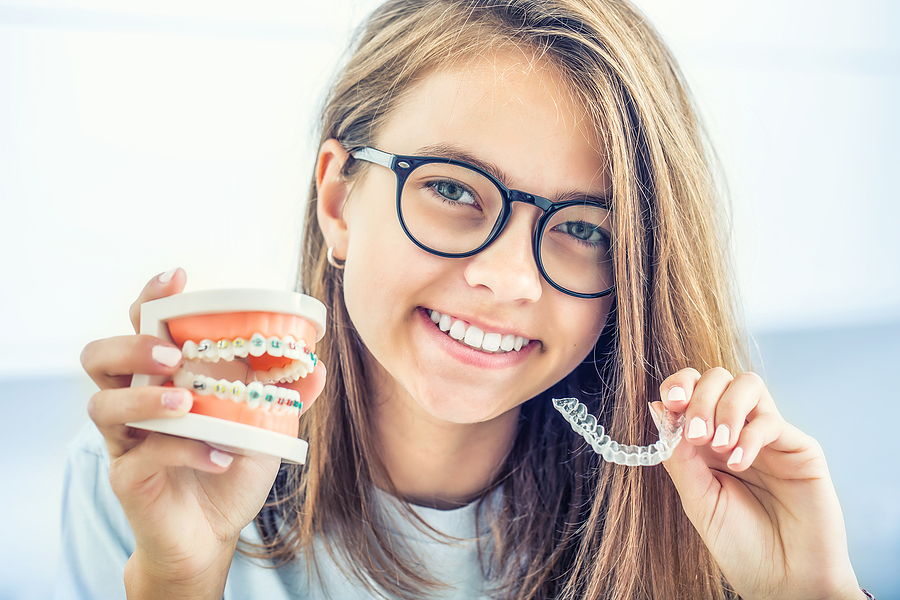
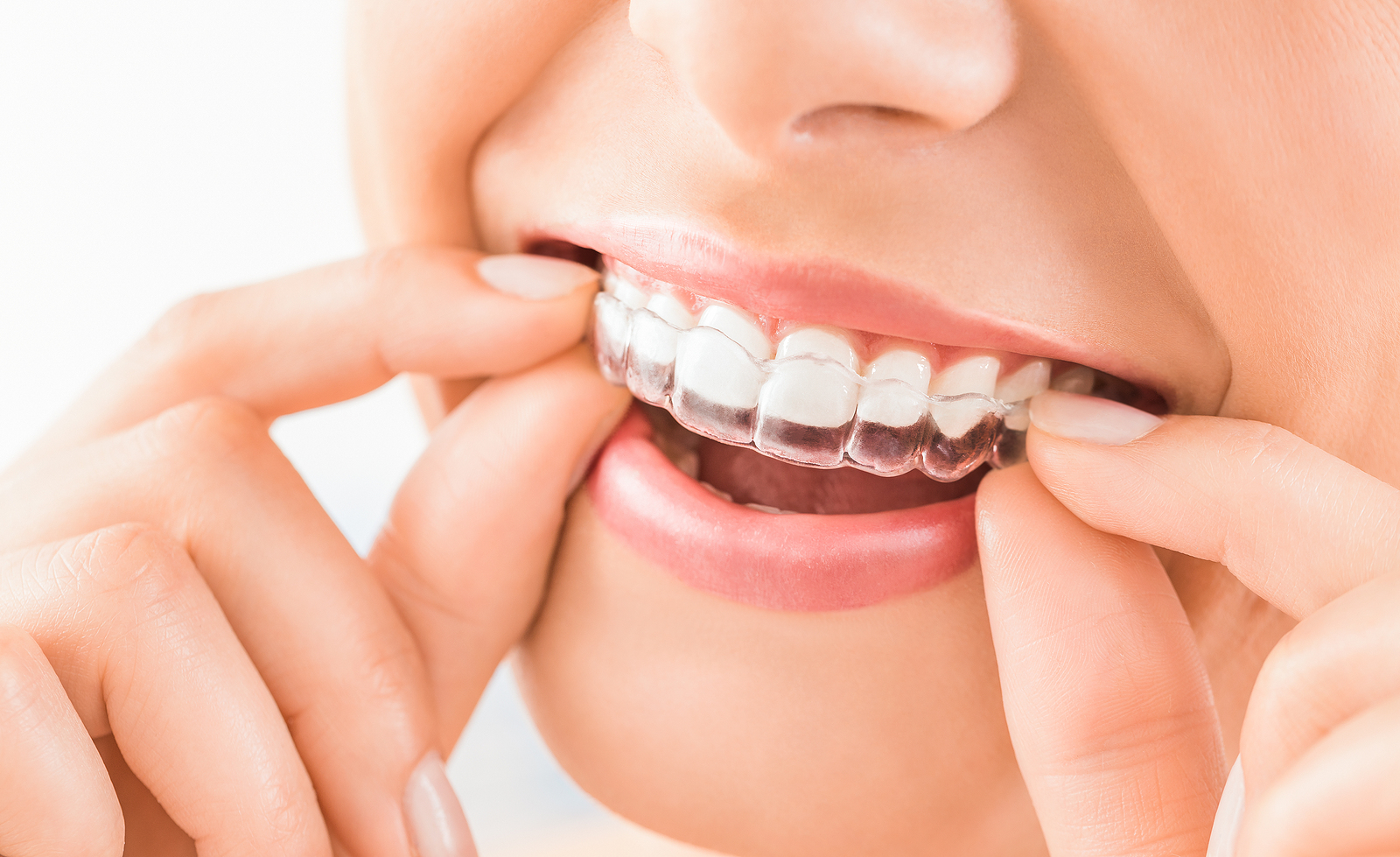
If you want a straighter smile without the look of traditional metal braces, Invisalign® offers a comfortable, discreet solution. Using a series of custom-made clear aligners, Invisalign gradually moves your teeth into their ideal positions without brackets or wires. The aligners are nearly invisible and removable, making it easy to maintain your normal routine while improving your smile.

Huntington Dental Excellence proudly provides Invisalign treatment for patients in South Pasadena and the surrounding area. Whether you want to correct crowded teeth, gaps, or bite concerns, our team will create a personalized treatment plan designed around your smile, your lifestyle, and your long-term oral health goals. We are here to help you achieve a healthier, beautifully aligned smile with advanced technology and individualized care. Call us today at (626) 427-0085 to learn more about our services or schedule an appointment.

REQUEST AN APPOINTMENT

A Modern Alternative to Traditional Braces

Invisalign straightens teeth using a series of custom-made clear aligners instead of metal brackets and wires. Each aligner is carefully designed to apply gentle, controlled pressure that gradually moves your teeth into their planned positions. You will wear each set of aligners for about 4 days before progressing to the next stage of your treatment, with every new aligner bringing you one step closer to your ideal smile.

Advanced Invisalign Treatment — Experience and Technology Make a Difference

Not all Invisalign treatment is planned the same way.

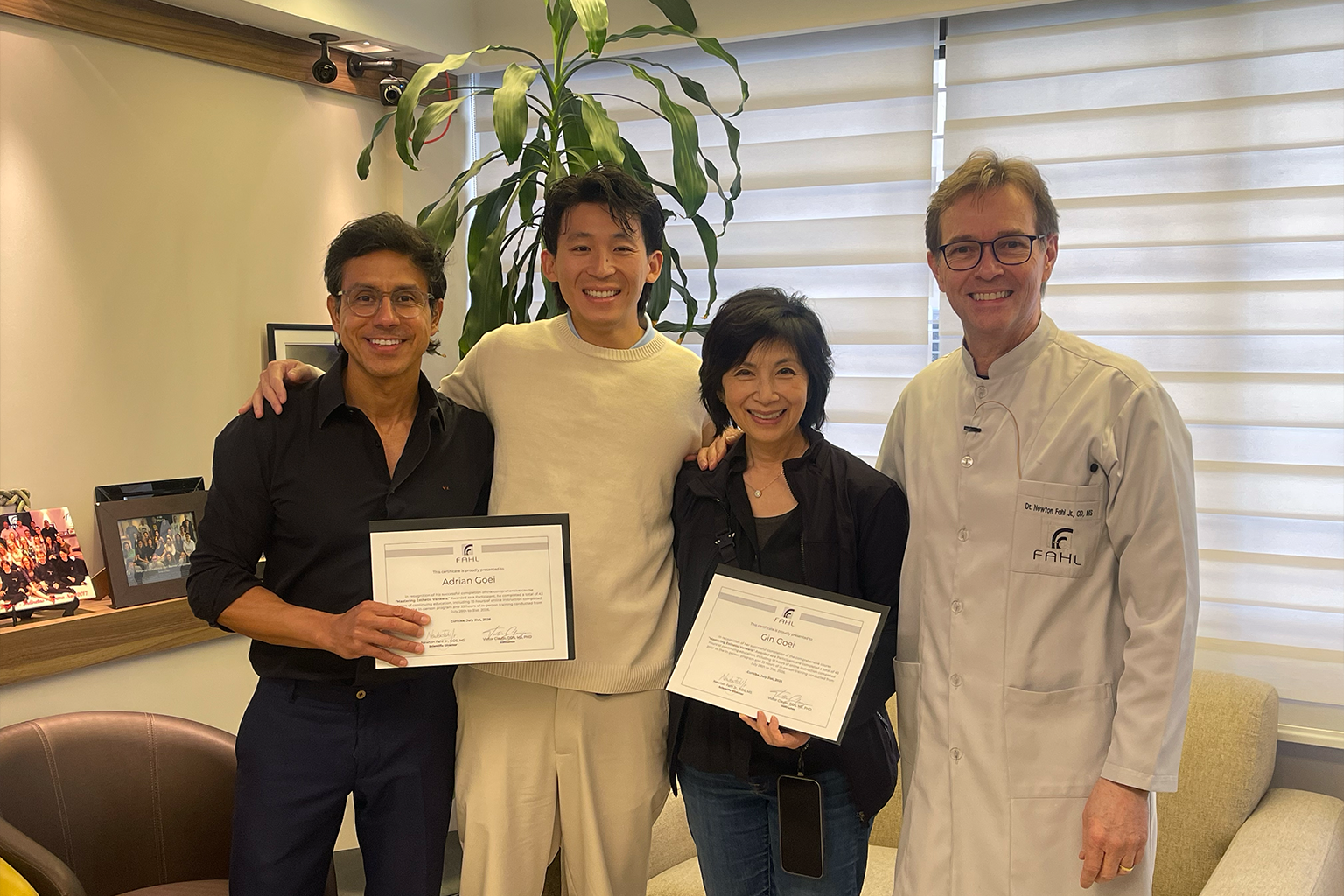
Dr. Gin Goei and Dr. Adrian Goei have completed extensive advanced Invisalign training that goes far beyond the standard certification most dentists receive.

Both doctors are trained in and utilize two specialized Invisalign treatment-planning systems: Dr. David Galler’s GLR template and Dr. Michael Wollock’s DCM template. These proprietary protocols are available through specialized advanced training and provide a more sophisticated approach to planning and managing tooth movements.

By combining these advanced techniques with their clinical experience, Dr. Gin and Dr. Adrian can develop highly individualized treatment plans designed to achieve predictable, efficient results.

What does this mean for our patients?

While traditional Invisalign treatment commonly involves changing aligners every 10–14 days, our accelerated treatment protocol allows many patients to change aligners every 4 days, when clinically appropriate and when teeth are tracking as planned.

With this approach, many of our Invisalign cases are completed in approximately 6 months, although treatment time depends on the complexity of each case.

At Huntington Dental Excellence, our focus is not simply on straightening teeth. We carefully consider your bite, function, facial aesthetics, and long-term dental health to create a smile that looks beautiful and functions comfortably.


“Invisalign straightens teeth using a series of custom-made clear aligners instead of metal brackets and wires.”

“The first step to getting Invisalign is by scheduling a consultation with our dentist.”

Invisalign’s Three Steps

The first step to getting Invisalign is by scheduling a consultation with our dentist. Our staff will look at overall oral health and take scans of the mouth. Next, that scan is sent to Invisalign and used to make aligners unique to the patient’s mouth for a custom fit.

Once the aligners have been made, our staff will ensure they fit well, answer any questions, and go over the treatment plan. Patients will be expected to wear the aligners for 20 to 22 hours a day to achieve results. Regular checkups with Huntington Dental Excellence will ensure treatment stays on track. Our staff will determine how often new aligners are needed. After the desired results have been achieved, the patient may be expected to wear a retainer to maintain those results. This will prevent teeth from gradually shifting back to their initial position. Our doctor will provide specific instructions on how often a retainer will need to be worn.

Taking Care of Invisalign Aligners

It is essential to use and care for Invisalign aligners appropriately to have a successful orthodontic outcome. For Invisalign to work, the aligners have to be worn for the recommended number of hours a day. Patients should try to limit the number of times they remove the aligners since it will not take long to exceed the time they can be left off.

Cleaning the Aligners

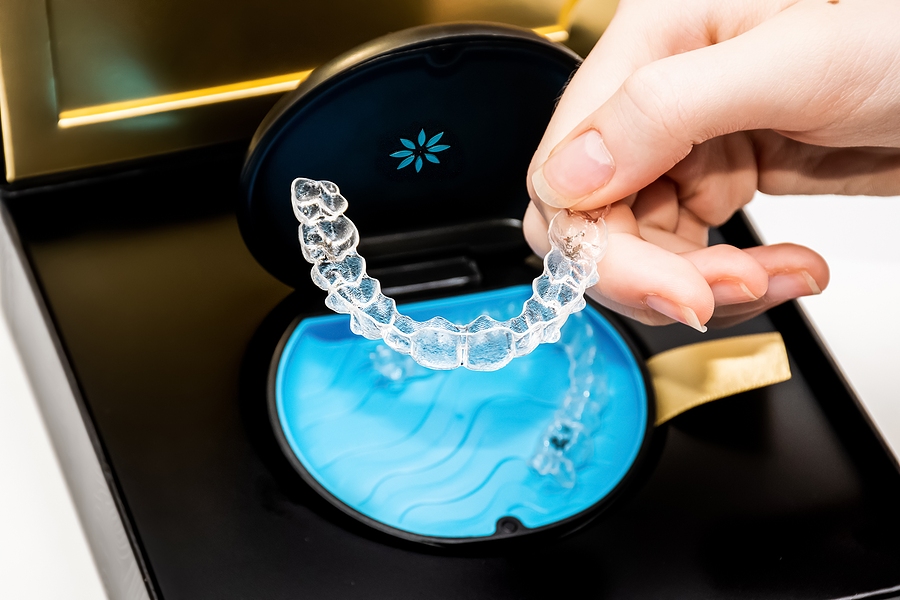
Patients should always rinse the aligners when they are removed. Bacteria and plaque can easily attach to them, which can cause an unpleasant odor and sticky feeling on the teeth. Aligners can be cleaned with soap, toothpaste, or special cleaning crystals.

Maintain Proper Oral Hygiene

Proper oral hygiene is essential at any time, but it is a bit easier when using Invisalign versus traditional braces. Food and plaque can get trapped in the metal brackets of conventional braces, making them tough to brush. Since Invisalign aligners can be removed, it is simple to brush and floss and replace the aligners when finished.

“It is essential to use and care for Invisalign aligners appropriately to have a good orthodontic outcome.”

Length of Treatment Time

Only a dentist can reasonably predict the length of the Invisalign treatment time. The severity of the condition, how well the patient adheres to the treatment plan, and age are all factors. On average, it takes 6 to 8 months to see results.

“Only a dentist can reasonably predict the length of the Invisalign treatment time.”

Frequently Asked Questions

Q. Does Invisalign hurt?

A. Invisalign treatment is not painful, but it can cause teeth to feel sore. When patients switch out their trays, it is normal to experience some discomfort due to the pressure exerted on teeth. This is a sign that the treatment is progressing and teeth are moving into alignment.

Q. How often will I return for appointments during Invisalign treatment?

A. Invisalign treatment can save patients time coming to the office. While other orthodontic treatments typically require patients to return for adjustment appointments about every three or four weeks, Invisalign patients do not need checkups as often. Patients will need to visit our office about once every six to eight weeks to ensure that the treatment progresses as planned.

Q. What are Invisalign attachments?

A. Invisalign attachments are small button-like attachments that are temporarily attached to teeth. We place these attachments at specific locations to help the aligners grip teeth as they are moving them into alignment. Not every patient will need Invisalign attachments. Our team will determine whether they are necessary.

Q. Is it normal for my teeth to feel loose after removing my Invisalign aligners?

A. It is normal for patients to feel like their teeth are loose after removing aligners. This is because their teeth are shifting. As aligners gradually move teeth into their proper position, the gums are also re-forming around each tooth.

Q. Will wearing Invisalign aligners affect my speech?

A. Any orthodontic appliance has the potential to affect a person’s speech. Invisalign is not likely to cause any speech problems. Patients may notice a slight lisp when speaking, but it should disappear as the tongue gets used to the aligners.

Invisalign® Terminology

Aligner Trays

With Invisalign® treatment, the patient will receive a series of aligner trays and swap out each one for the next one in the series every two weeks to gradually straighten the teeth.

Blue Compliance Indicator (Invisalign® Teen)

The blue compliance indicator is a small blue dot on the aligners that fades from blue to clear to indicate whether the patient is wearing the aligner for the proper amount of time and where the patient is in the Invisalign® process.

ClinCheck® Software

ClinCheck® software allows professionals to map out the straightening process the patient’s teeth will go through with Invisalign® in great detail.

Gum Line

The gum line is where the teeth and gums meet. If a patient struggles with gum recession, then the gum tissue around the teeth may begin to wear away.

Incisal Ridges

Incisal ridges are the portion of the crown of the tooth that makes up the incisal portion and can be a direct cause of overbite if they are extended too far.

iTero Element® Scanner

An iTero Element® scanner allows professionals to create a 3D image of the patient’s teeth in minutes and predict what it will take to move the teeth into proper alignment.

Malocclusion

Malocclusion is the condition in which the upper and lower teeth do not meet properly when the bite is closed. Conditions of malocclusion can include overbite, underbite, crossbite, and open bite, all of which are treatable with Invisalign®.

Overbite

An overbite is a type of malocclusion that occurs when the upper teeth jut out over the lower teeth, covering them and causing other issues.

Polyurethane Resin

Polyurethane Resin is a USP Class VI medical grade, high molecular weight compound that makes up the Invisalign® aligners.

SmartForce Attachments

SmartForce attachments are small attachments that professionals place on the patient’s teeth before placing the aligners to help move the teeth.

Smart Track® Material

Smart Track® material is in Invisalign® aligners to increase comfort, improve control of movement, increase the speed of treatment, and apply a gentle force to the teeth over time.

Smile-Scan

Smile-Scan analyzes the way a patient smiles by measuring the position of the mouth and eyes before giving a score.

Vivera® Retainers

Vivera® retainers are a type of retainer that consists of clear plastic material and helps to maintain orthodontic corrections after a treatment.

Learn More About Invisalign

For many patients, Invisalign is a practical alternative to traditional braces. If you are interested in finding out whether this treatment is right for you, call Huntington Dental Excellence in South Pasadena at (626) 427-0085 to learn more about whether or not you are a candidate.

Helpful Related Links

American Dental Association (ADA)
American Academy of Cosmetic Dentistry® (AACD)

About our business

Huntington Dental Excellence

  • Huntington Dental Excellence was established in 1987.
  • We accept the following payment methods: American Express, Cash, Check, Discover, MasterCard, and Visa
  • We serve patients from the following counties: Los Angeles County
  • We serve patients from the following cities: South Pasadena, Pasadena, Alhambra, Monterey Park, Highland Park, San Gabriel, San Marino, Rosemead, Altadena, Temple City and Los Angeles
  • CA (License #35999). View License Information and Specifics
  • National Provider Identifier Database (1194877746). View NPI Registry Information

Discover A Different Kind Of Dental Experience