
Invisalign vs Traditional Braces

If you are considering orthodontic treatment, you may be wondering whether Invisalign® or traditional braces are the better choice. Both are proven methods for straightening teeth and improving your bite, but the right option depends on your orthodontic needs, lifestyle, and treatment goals. During your consultation, we will carefully evaluate your smile and recommend the solution that will provide the healthiest, most predictable long-term result.

Huntington Dental Excellence offers both Invisalign and traditional orthodontic treatment options for patients in South Pasadena and the surrounding area. Our team will explain the benefits of each approach, answer your questions, and help you make a confident, informed decision about your smile. Call us today at (626) 427-0085 to schedule an appointment or learn more about our services.
REQUEST AN APPOINTMENT

Differences Between Braces and Invisalign

Traditional Braces

Traditional Braces have been a trusted orthodontic treatment for many years and remain an excellent option for correcting a wide range of alignment and bite concerns. Depending on your needs, braces may be available in several styles, including metal and more discreet tooth-colored ceramic options.

Because braces remain attached to the teeth throughout treatment, maintaining excellent oral hygiene is especially important. Food and plaque can collect around the brackets and wires, making thorough brushing and flossing essential for protecting your teeth and gums. With good home care and regular dental appointments, braces can produce healthy, long-lasting results while creating a stronger, more balanced smile.

Invisalign

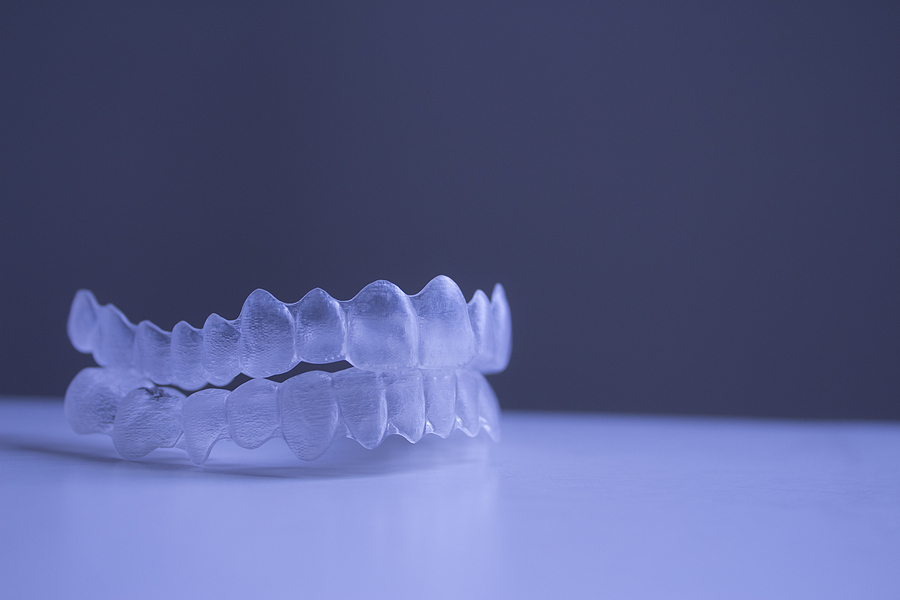
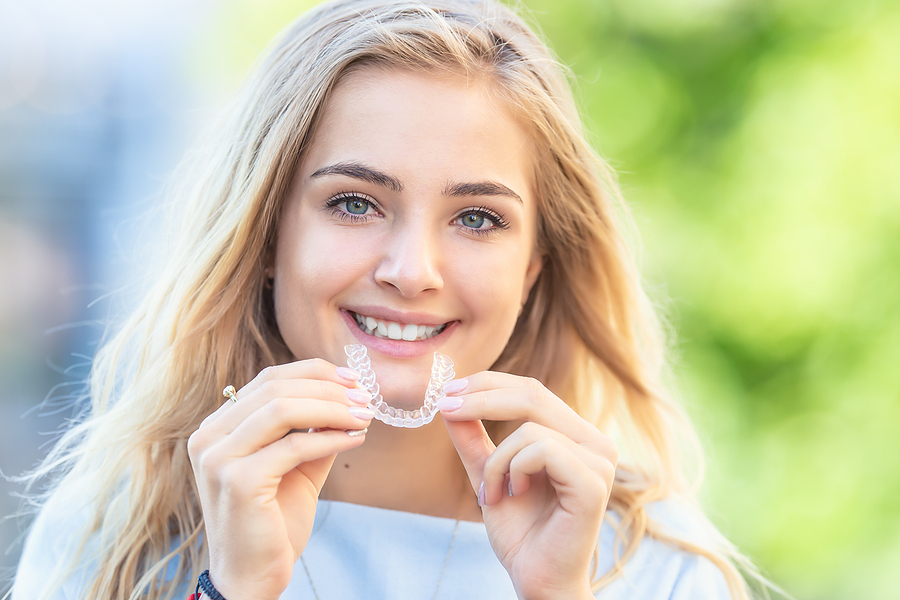
Invisalign Teen provides a discreet, comfortable alternative to traditional braces for teens who want to straighten their smiles without metal brackets and wires. Treatment uses a series of custom-made clear plastic aligners called trays, that fit comfortably over the teeth and gradually guide them into healthier alignment. Each new set of aligners is designed to continue the planned tooth movement until treatment is complete.

Because the aligners are removable, maintaining good oral hygiene is simple. Patients should brush and floss before replacing their aligners and clean the aligners every day to help keep both their teeth and the trays clean. Consistently wearing the aligners as directed and following good oral hygiene habits are important for achieving the best possible results.

“Both Invisalign and traditional braces can create beautiful, healthy smiles. The right treatment depends on your individual needs, lifestyle, and orthodontic goals.”

Treatment Timeline

Both Invisalign® and traditional braces are designed to achieve the same goal: a healthier, straighter smile. However, the length of treatment varies from one patient to another. Factors such as the complexity of your orthodontic concerns, your age, and how closely you follow your treatment plan all influence how long treatment will take.

For Invisalign patients, consistently wearing the aligners for 20 to 22 hours each day is one of the most important factors in staying on schedule. Traditional braces work continuously because they remain attached to the teeth, while Invisalign depends on patient compliance to produce the planned tooth movements. During your consultation, we will evaluate your smile and provide an estimated treatment timeline based on your individual needs.

“Both Invisalign® and traditional braces are designed to achieve the same goal: a healthier, straighter smile. However, the length of treatment varies from one patient to another.”

“Both Invisalign® and traditional braces are highly effective at straightening teeth and improving your bite when used as directed. “

Effectiveness

Both Invisalign® and traditional braces are highly effective at straightening teeth and improving your bite when used as directed. The primary difference lies in how each treatment moves the teeth. Traditional braces use brackets and wires to apply continuous pressure, while Invisalign relies on a series of custom-made clear aligners that are changed at regular intervals to gradually guide the teeth into their planned positions.

No matter which treatment you choose, protecting your results is an important part of the process. After active orthodontic treatment is complete, most patients will need to wear a retainer as recommended to help maintain their new smile. Without proper retainer wear, teeth can gradually shift over time, reducing the long-term benefits of treatment.

Aesthetic Differences

Traditional braces consist of metal wires, brackets, and rubber bands. For many people, the appearance can be a source of embarrassment that leads them to feel self-conscious while smiling or engaging in activities with peers. Braces stay affixed to the teeth throughout the entire course of treatment. This can make eating some foods more challenging and may make brushing and flossing more difficult to ensure all food remnants are cleaned from the braces to prevent cavities.

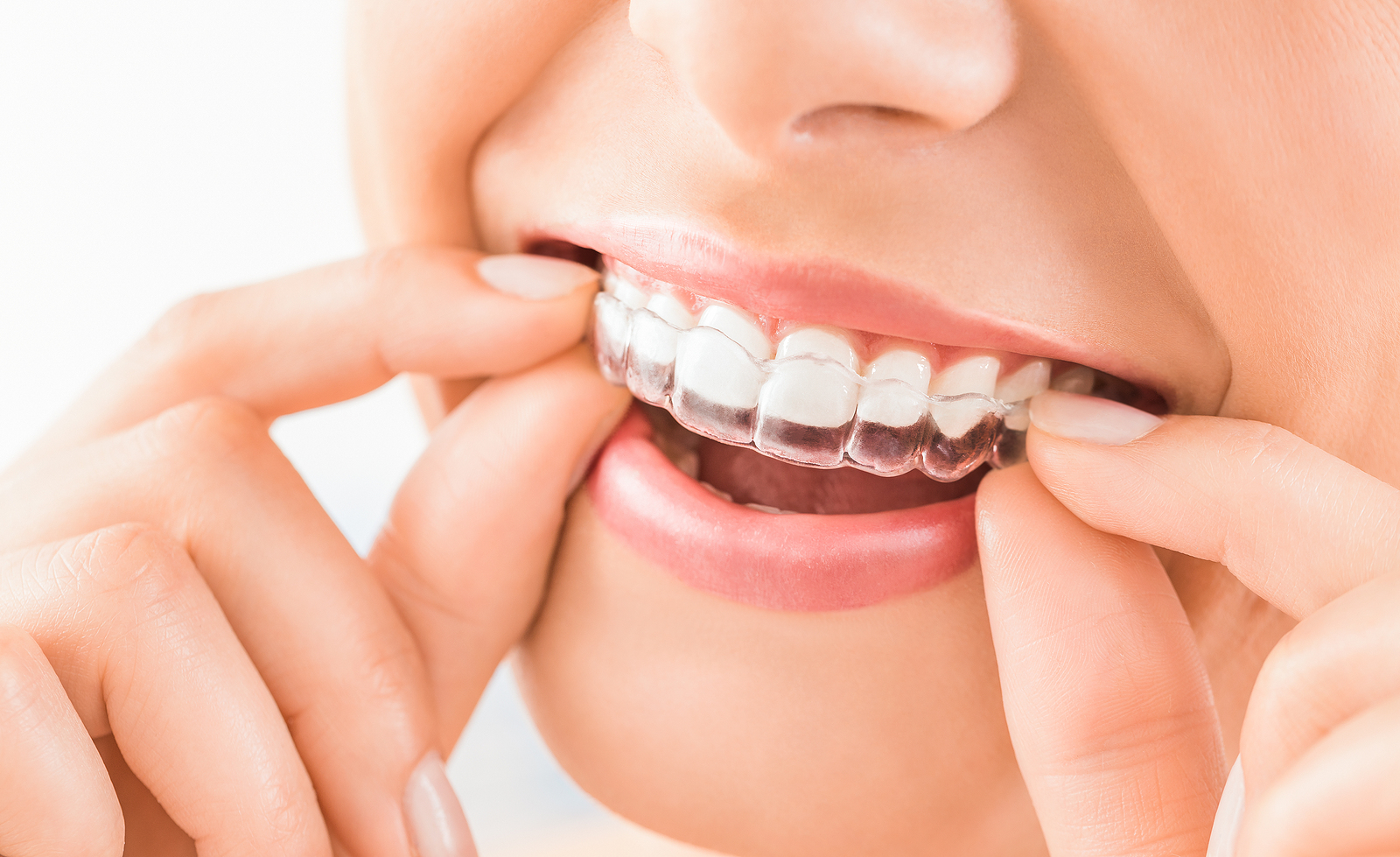
In contrast, Invisalign trays are clear and thin, making them nearly invisible. This treatment is popular and can boost a patient’s self-esteem while they complete orthodontic treatment. Many patients appreciate that Invisalign aligners can be removed when eating, brushing, or flossing for short periods for work or social occasions.

“…Invisalign trays are clear and thin, making them nearly invisible.”

Frequently Asked Questions

Q. Which is more comfortable: braces or Invisalign?

A. Initial discomfort comes when placing and adjusting braces. The brackets and wires can also irritate sensitive mouth tissues and may cause the occasional mouth sore. The good news is this is temporary. Once patients become accustomed to their braces and adjustments, the pain goes away. For the most part, Invisalign trays remain comfortable and custom-made to fit each individual’s mouth. Some patients may experience initial discomfort when switching to a new set of aligners as the teeth shift into new positions.

Q. Which takes longer: braces or Invisalign?

A. The treatment time varies for each individual, depending on the issues that need to be corrected. For most patients, braces must be worn for 18-24 months. Invisalign treatment remains typically shorter, and many patients can achieve their desired results within 6-18 months, depending on each patient and the issues that need to be addressed.

Q. Are there dietary restrictions with braces and Invisalign?

A. When wearing braces, patients will need to refrain from eating certain foods and snacks, such as nuts, sticky foods, and gum. With Invisalign, no dietary restrictions apply. With trays removed when eating and drinking, no worries remain regarding damaging them with hard or sticky foods. Whether you opt for braces or Invisalign, you must brush your teeth at least twice daily and avoid food and drink high in sugars.

Q. Which is more expensive: Invisalign or braces?

A. The cost of braces and Invisalign treatment varies, depending on the issue that needs correcting and the length of treatment time. Every insurance plan is different. Check with your insurance provider for coverage information before seeking treatment.

Q. How often will I have to see my Invisalign or braces provider?

A. Patients with traditional braces usually see their braces provider about every four weeks for adjustment appointments. Invisalign wearers typically visit their Invisalign provider about every six to eight weeks to ensure their treatment is progressing as planned. Invisalign appointments are quicker than traditional braces since there is no need for adjustment.

Invisalign® Terminology

Aligner Trays

With Invisalign® treatment, the patient will receive a series of aligner trays and swap out each one for the next one in the series every two weeks to gradually straighten the teeth.

Blue Compliance Indicator (Invisalign® Teen)

The blue compliance indicator is a small blue dot on the aligners that fades from blue to clear to indicate whether the patient is wearing the aligner for the proper amount of time and where the patient is in the Invisalign® process.

ClinCheck® Software

ClinCheck® software allows professionals to map out the straightening process the patient’s teeth will go through with Invisalign® in great detail.

Gum Line

The gum line is where the teeth and gums meet. If a patient struggles with gum recession, then the gum tissue around the teeth may begin to wear away.

Incisal Ridges

Incisal ridges are the portion of the crown of the tooth that makes up the incisal portion and can be a direct cause of overbite if they are extended too far.

iTero Element® Scanner

An iTero Element® scanner allows professionals to create a 3D image of the patient’s teeth in minutes and predict what it will take to move the teeth into proper alignment.

Malocclusion

Malocclusion is the condition in which the upper and lower teeth do not meet properly when the bite is closed. Conditions of malocclusion can include overbite, underbite, crossbite, and open bite, all of which are treatable with Invisalign®.

Overbite

An overbite is a type of malocclusion that occurs when the upper teeth jut out over the lower teeth, covering them and causing other issues.

Polyurethane Resin

Polyurethane Resin is a USP Class VI medical grade, high molecular weight compound that makes up the Invisalign® aligners.

SmartForce Attachments

SmartForce attachments are small attachments that professionals place on the patient’s teeth before placing the aligners to help move the teeth.

Smart Track® Material

Smart Track® material is in Invisalign® aligners to increase comfort, improve control of movement, increase the speed of treatment, and apply a gentle force to the teeth over time.

Smile-Scan

Smile-Scan analyzes the way a patient smiles by measuring the position of the mouth and eyes before giving a score.

Vivera® Retainers

Vivera® retainers are a type of retainer that consists of clear plastic material and helps to maintain orthodontic corrections after a treatment.

Call Us Today

A beautiful smile is not just a matter of aesthetics—it can also greatly impact your oral health. Whether you need Invisalign or traditional braces, Huntington Dental Excellence can help. Call us today at (626) 427-0085 to schedule an appointment or learn more about our services.
Helpful Related Links

American Dental Association (ADA)
American Academy of Cosmetic Dentistry® (AACD)

About our business

Huntington Dental Excellence

  • Huntington Dental Excellence was established in 1987.
  • We accept the following payment methods: American Express, Cash, Check, Discover, MasterCard, and Visa
  • We serve patients from the following counties: Los Angeles County
  • We serve patients from the following cities: South Pasadena, Pasadena, Alhambra, Monterey Park, Highland Park, San Gabriel, San Marino, Rosemead, Altadena, Temple City and Los Angeles
  • CA (License #35999). View License Information and Specifics
  • National Provider Identifier Database (1194877746). View NPI Registry Information

Discover A Different Kind Of Dental Experience