Do I Have Sleep Apnea

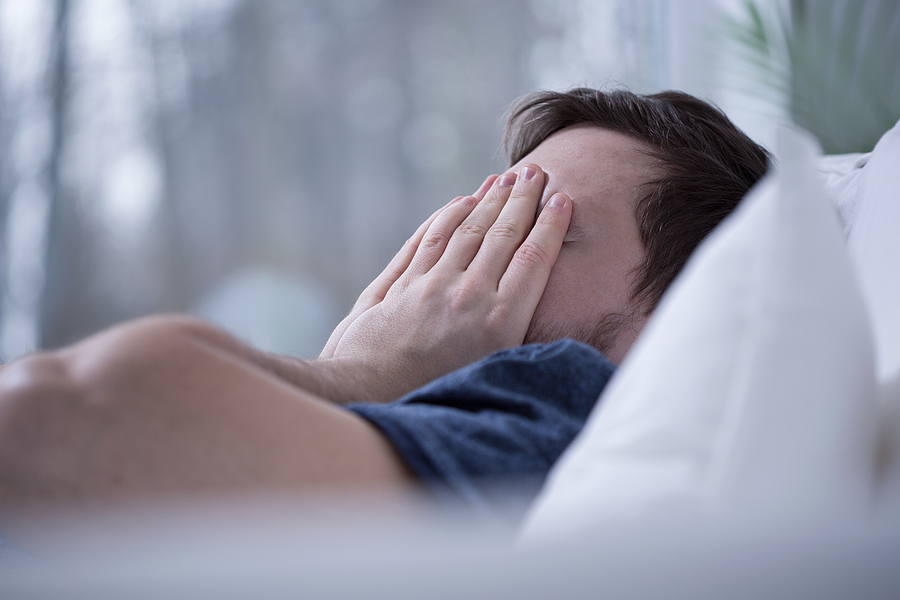
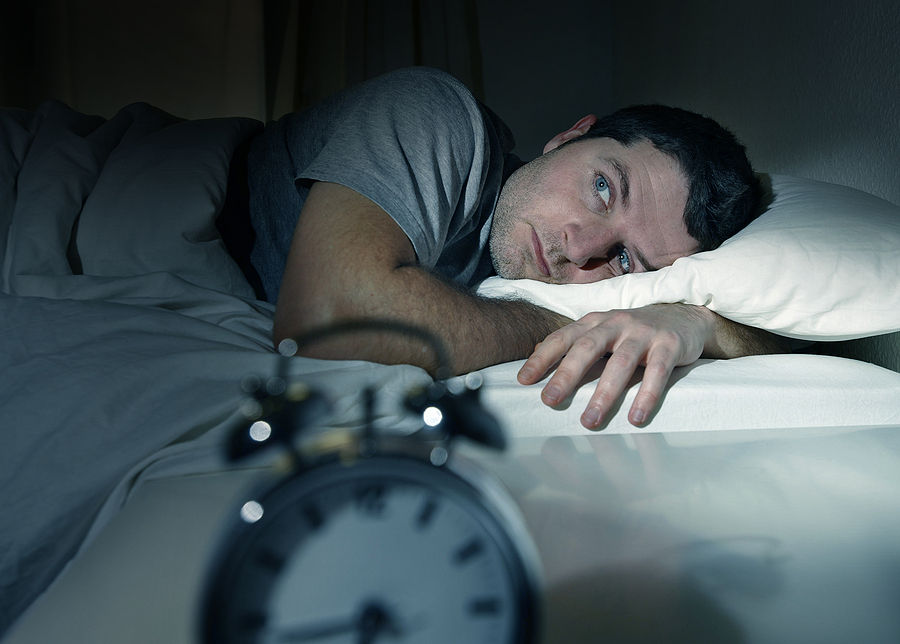
If you regularly wake up feeling tired, snore loudly, or find yourself struggling with daytime fatigue despite getting what seems like a full night’s sleep, obstructive sleep apnea may be a contributing factor. Left untreated, this common sleep disorder can affect your overall health, energy level, and quality of life. Recognizing the signs early is an important first step toward getting the care you need.

Huntington Dental Excellence helps patients in South Pasadena and the surrounding area explore treatment options for obstructive sleep apnea.
REQUEST AN APPOINTMENT

If your symptoms suggest sleep apnea, we can discuss your concerns, coordinate with your physician or sleep specialist as needed, and determine whether oral appliance therapy may be an appropriate part of your treatment plan. Our goal is to help you breathe more comfortably, sleep more soundly, and enjoy better overall well-being. Call us today at(626) 427-0085 to schedule an appointment and learn more.

What is Sleep Apnea?

Sleep apnea is a sleeping and breathing disorder in which breathing stops and starts periodically throughout a person’s sleep. This can have a negative impact on oxygen levels and may result in lower quality sleep. There are several types of sleep apnea, including obstructive sleep apnea (OSA), Central sleep apnea (CSA), and Mixed sleep apnea, and various causes for each.

OSA is the most common type of sleep apnea, caused by a physical blockage of the airways in the throat that obstructs normal airflow. CSA results from the brain’s muscle control system and the way in which breathing signals are sent to the throat and respiratory muscles. Mixed sleep apnea, also called complex sleep apnea, refers to a person who has both OSA and CSA.

“Sleep apnea is a sleeping and breathing disorder in which breathing stops and starts periodically throughout a person’s sleep.”

“Sleep apnea is often referred to as both a sleeping disorder and a breathing disorder, as these two factors are affected.”

Sleep Apnea or Sleep Disorder?

A sleeping disorder refers to habits occurring during sleep that affect breathing and overall health. Breathing pattern disorders, or dysfunctional breathing, are chronic or recurring conditions that cause a distortion in sleep. Sleep apnea is often referred to as both a sleeping disorder and a breathing disorder, as these two factors are affected.

Sleep apnea is a serious, life-threatening condition that can greatly reduce oxygen levels, accelerate the heart rate, and increase blood pressure. Oxygen and adequate sleep are essential for proper brain functioning. Therefore, combining low oxygen levels with obstructed sleep can affect multiple parts of the body such as the muscles, mind, mood, and metabolism.

Causes of Sleep Apnea

Many patients are surprised to learn about the link between sleep apnea and dental health. Often, the pauses in breathing associated with sleep apnea are caused by flaccid muscles in the back of the throat, a too-large tongue, or a too-small jaw. Tooth grinding, or bruxism, is the first sign of sleep apnea. This may cause tooth wear and breakage, along with inflamed and receding gums. Huntington Dental Excellence can conduct a thorough oral examination to determine whether or not a patient has sleep apnea.

“Many patients are surprised to learn about the link between sleep apnea and dental health.”

“Common signs of sleep apnea include loud, chronic snoring, gasping or choking during sleep, frequent awakenings, morning headaches, a dry mouth or sore throat upon waking, difficulty concentrating, and excessive daytime sleepiness.”

Recognizing the Signs of Sleep Apnea

Obstructive sleep apnea can affect people of all ages, although certain factors may increase the likelihood of developing the condition. Excess weight, advancing age, a family history of sleep apnea, smoking, alcohol use, and anatomical factors that narrow the airway can all play a role. Because many people are unaware of what happens while they sleep, the condition often goes undiagnosed until a bed partner notices the symptoms or persistent daytime fatigue begins to affect daily life.

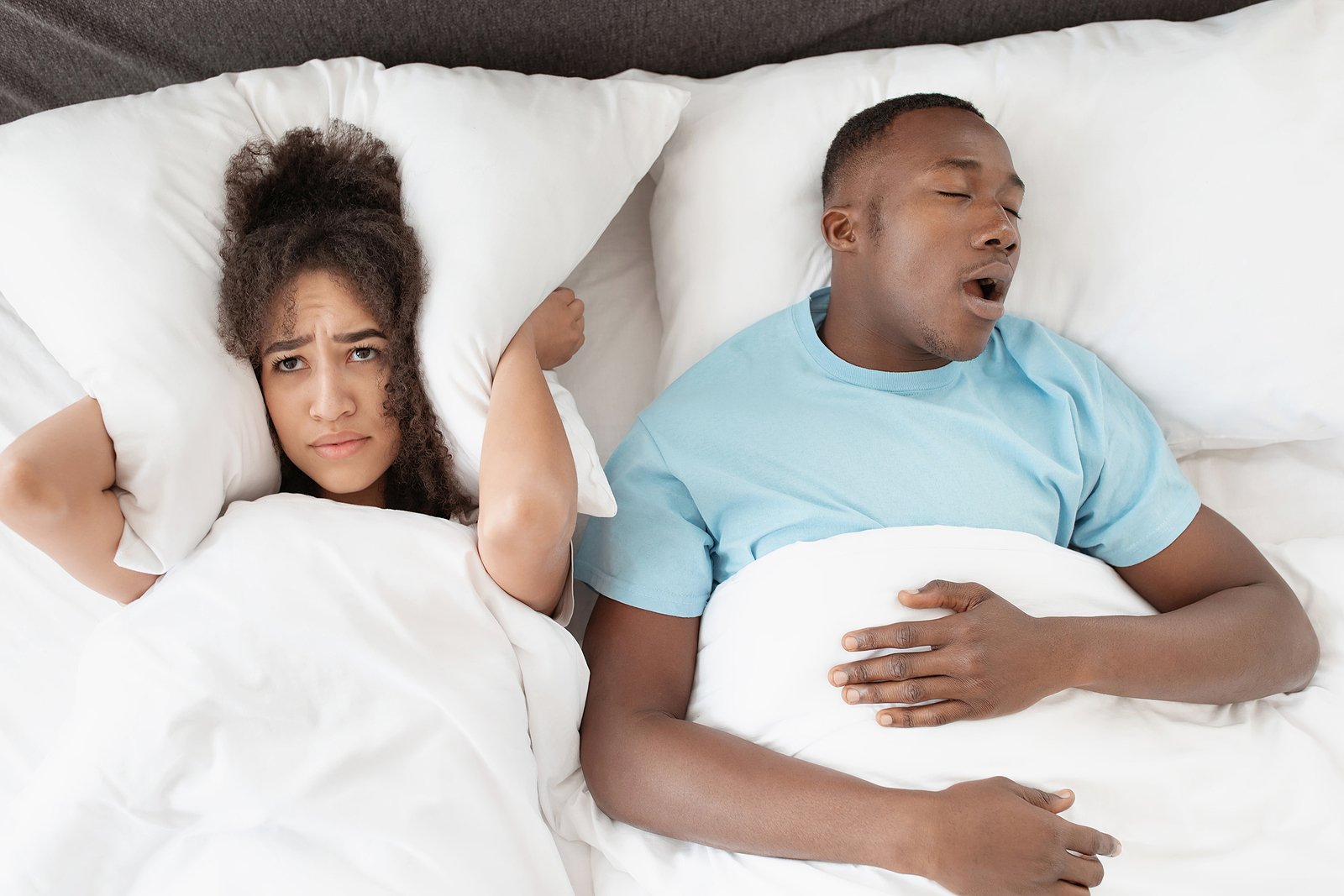
Common signs of sleep apnea include loud, chronic snoring, gasping or choking during sleep, frequent awakenings, morning headaches, a dry mouth or sore throat upon waking, difficulty concentrating, and excessive daytime sleepiness. Some patients also experience irritability or struggle to feel rested even after a full night’s sleep. Children may show different signs, including restless sleep, bedwetting, mouth breathing, behavioral changes, or difficulty concentrating at school. If you or a loved one recognizes these symptoms, an evaluation can help determine whether additional testing or treatment is appropriate.

Treating Sleep Apnea

Luckily, there are many different ways to treat sleep apnea, including oral appliances. Patients who are good candidates for oral appliances must have impressions of their teeth and return for a fitting during a later appointment. It may be necessary for patients to have another sleep test while wearing the device to ensure its efficacy. Further office visits may be required to make adjustments. These devices are unobtrusive and easy to travel with, as they do not require any electricity.

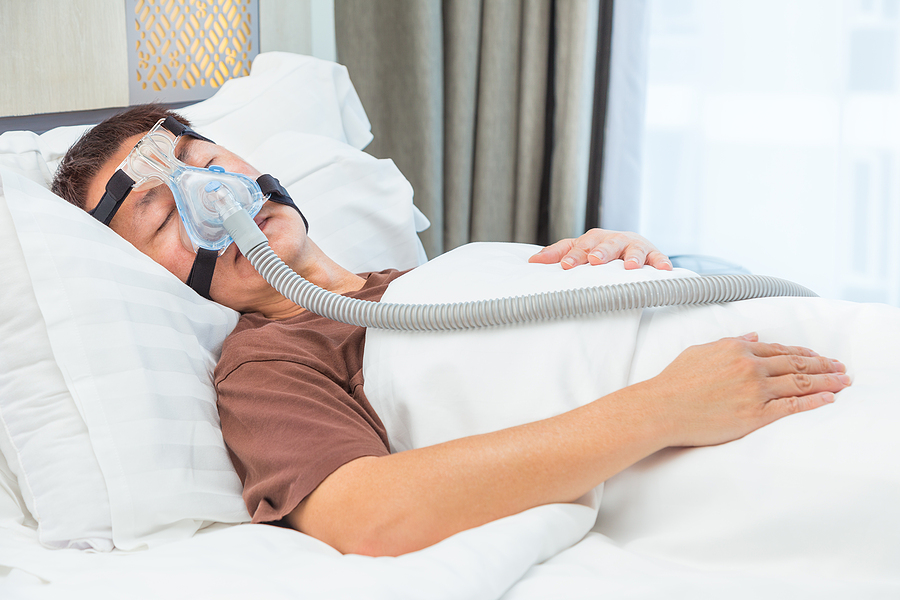
Other options include continuous positive air pressure (CPAP) machines and surgery. These are more involved treatments that may benefit those with more severe cases of sleep apnea. Huntington Dental Excellence can help patients determine which treatment is right for them.

“Huntington Dental Excellence can help patients determine which treatment is right for them.”

Frequently Asked Questions

Q. How common is sleep apnea?

A. According to the Sleep Foundation, “Obstructive sleep apnea is estimated to affect between 2-9% of adults in the United States, but many cases are believed to go undiagnosed.” Since a person may go a long period of time without realizing that they have sleep apnea, many are unaccounted for.

Q. What is the success rate of sleep apnea treatments?

A. Each case, treatment, and person is different. There could be two patients with the same type of sleep apnea but who have entirely different results. For example, the success rate of most sleep apnea surgeries is 60%, while a CPAP machine may completely cure a person of their condition.

Q. What are the possible complications of untreated sleep apnea?

A. Sleep apnea is a life-threatening condition, as oxygen is a pertinent component of overall health, affecting nearly every organ. Going without treatment can result in hypertension, heart disease, fatigue, migraines, type 2 diabetes, metabolic syndrome, cardiovascular disease, memory problems, weight gain, and liver problems.

Q. What are the long-term effects of sleep apnea?

A. Going without treatment for a long period of time can have dire effects on the mind and body. Long-term effects of sleep apnea include, but are not limited to, high blood pressure, stroke, heart failure, heart attacks, and irregular heartbeat. It is important to seek immediate help and treatment when first experiencing symptoms.

Q. What foods should be avoided for patients with sleep apnea?

A. There are not many restrictions on foods and beverages for patients with sleep apnea unless their case is caused by an allergy or other specific factor. Dairy and bananas are known to increase mucus production, which can cause or progress sleep apnea. We will discuss any restrictions if a patient’s case requires them.

Dental Terminology

Cosmetic Dentistry

Cosmetic dentistry is generally used to refer to any dental work that improves the appearance (though not necessarily the function) of a person’s teeth, gums, and/or bite.

Decay

Tooth decay is when the enamel of the tooth begins to decay and cause erosion from plaque and tartar on the teeth.

Dental Caries

Dental caries are also known as cavities and result from a lack of proper oral hygiene, leaving plaque that forms tiny holes in the teeth.

Dental Checkup

A dental checkup is an appointment that involves cleaning the teeth, identifying any signs of infection, and removing said signs of infection at least once every six months in the office.

Dental Filling

A dental filling involves restoring the structure of the tooth by using metal, alloy, porcelain, or plastic to fill the tooth.

Dental Prophylaxis

A dental prophylaxis is a professional and detailed cleaning that involves the removal of plaque, calculus, and stains from the teeth.

Dental Sealants

Dental sealants contain a resinous material that we apply to the chewing surfaces of the posterior teeth to prevent dental caries.

Dentist

A dentist, also known as a dental surgeon, is a doctor who specializes in the diagnosis, prevention, and treatment of diseases and conditions of the oral cavity.

Gingivitis

Gingivitis is the inflammation of gum tissue that results from plaque, other infections in the mouth, and poor oral hygiene.

Preventive Dentistry

Preventive dentistry is the dentistry that focuses on maintaining oral health to prevent the spread of plaque, the formation of tartar, and infections in the mouth.

Tartar

Tartar forms when plaque builds up on the surface of the teeth and calcifies into a hard surface that is much more difficult to remove and will require professional treatment.

Tooth Enamel

Tooth enamel is the protective visible outer surface of a tooth that contains the dentin and dental pulp.

Learn More Today

Treating sleep apnea can improve your overall dental health and quality of life. We at Huntington Dental Excellence may be able to help. Call us today at (626) 427-0085 to schedule an appointment and learn more.

Helpful Related Links

American Dental Association (ADA)
American Academy of Cosmetic Dentistry® (AACD)

About our business

Huntington Dental Excellence

  • Huntington Dental Excellence was established in 1987.
  • We accept the following payment methods: American Express, Cash, Check, Discover, MasterCard, and Visa
  • We serve patients from the following counties: Los Angeles County
  • We serve patients from the following cities: South Pasadena, Pasadena, Alhambra, Monterey Park, Highland Park, San Gabriel, San Marino, Rosemead, Altadena, Temple City and Los Angeles
  • CA (License #35999). View License Information and Specifics
  • National Provider Identifier Database (1194877746). View NPI Registry Information

Discover A Different Kind Of Dental Experience